
 简体中文
简体中文

In the construction of rotary drilling rigs, the influence of rock formation characteristics on roller cone bit service life is a key factor determining drilling efficiency and costs. The following analysis is conducted from three aspects: physical properties, structural characteristics of rock formations, and construction parameters, with targeted solutions proposed:
I. Influence Mechanism of Physical Properties of Rock Formations
1. Hardness and Compressive Strength
When the uniaxial compressive strength of rock formations exceeds 100 MPa, the wear rate of roller cone bit alloy teeth increases by 3–5 times. Measured data shows that for every 50 MPa increase in compressive strength, the service life of the roller cone bit is shortened by approximately 40%.
Generally, a single set of roller cone bits can drill 80 to 150 meters.
2. Abrasiveness Index
Rock formations containing quartz sand grains (such as quartz sandstone and conglomerate) with an abrasiveness index greater than 15 mg/cm² will cause plow-groove wear on the surface of roller cone bits. In such rock formations, the wear amount of roller cone bit tooth tips can reach 2–3 times that in non-abrasive rock formations.
3. Impact Toughness
High-toughness rock formations (such as marble and gneiss) are prone to induce cyclic impact loads on roller cone bits, leading to fatigue fracture of alloy teeth. Experiments show that when the toughness value exceeds 50 MPa·m½, the probability of tooth body fracture increases by 65%.
II. Influence of Structural Characteristics of Rock Formations
1. Fracture Development Degree
Fractured rock formations with a fracture rate greater than 15% (such as weathered granite and fault zones) will cause uneven stress on roller cone bits during drilling, resulting in eccentric wear and tooth body chipping. During the construction of Shenzhen Metro Line 16, the service life of roller cone bits in fractured zones was only 30% of that in intact rock formations.
2. Rock Formation Dip Angle
Inclined rock formations with a dip angle greater than 60° are prone to cause drilling tool vibration, leading to abnormal wear of roller cone bit bearings. Measured data shows that for every 10° increase in dip angle, the bearing service life decreases by 25%.
3. Interlayer Weak Intercalations
Weak intercalations such as mudstone and shale will cause a "slippage" phenomenon, leading to idling wear of roller cone bits. During the construction of a project in Guangming District, Shenzhen, in alternating sandstone-mudstone layers, the wear amount of roller cone bits increased by 1.8 times compared with that in homogeneous rock formations.
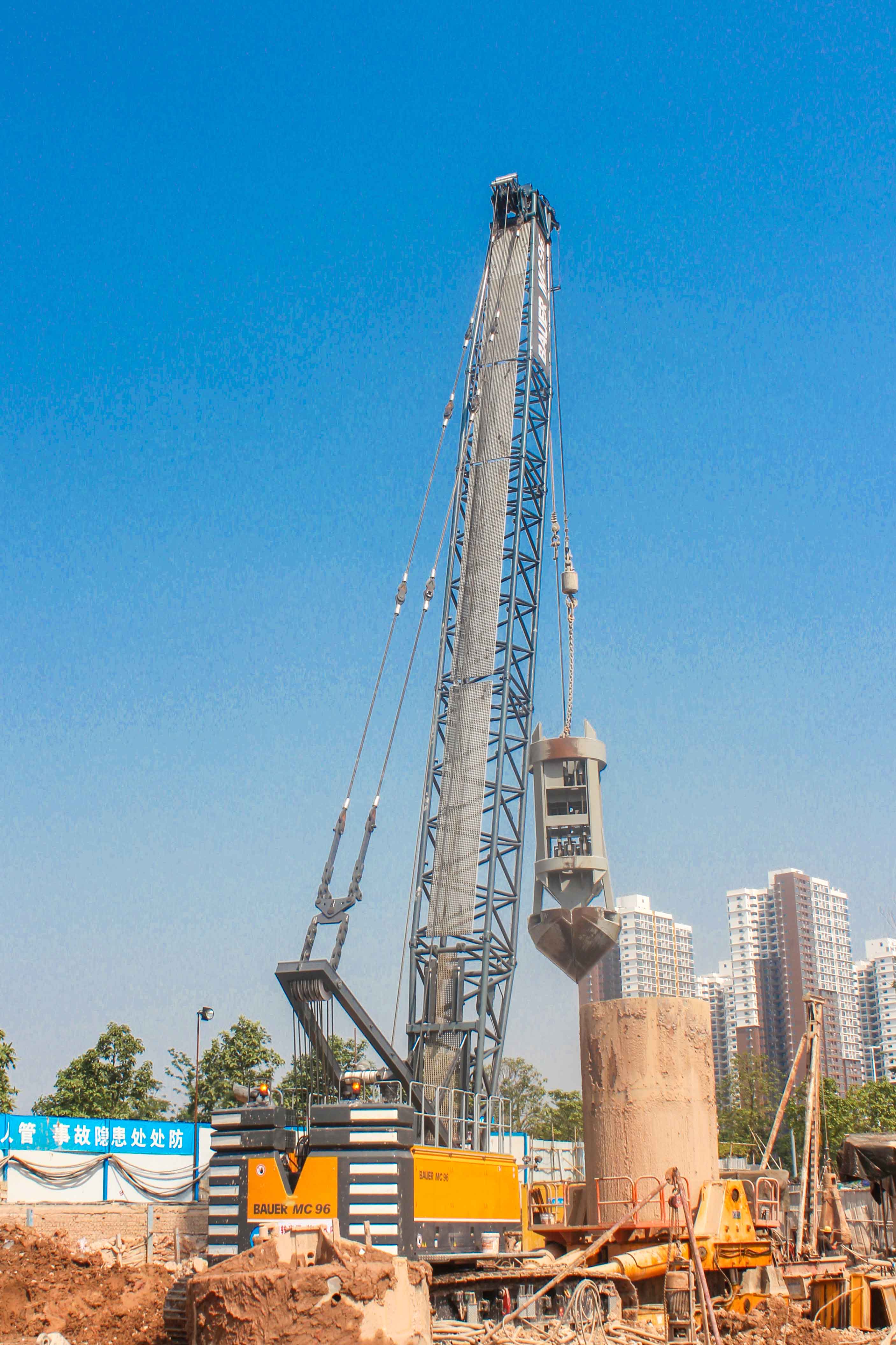 Pipe Twisting Machine Full Casing Construction Method
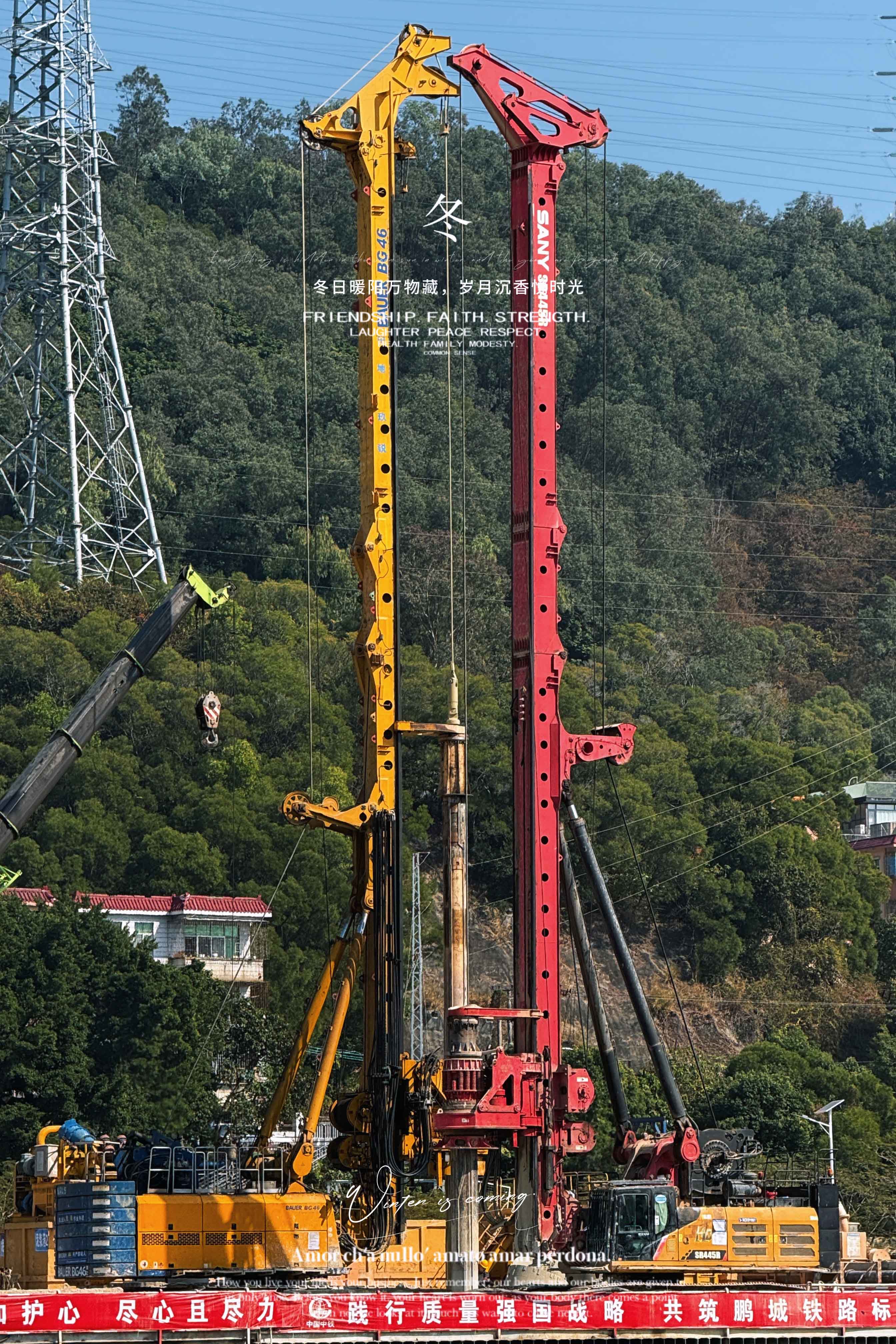 The Influence of Rock Formations on Roller Cone Bits
 The Function of Rotary Drilling Rig Picks with Alloy Pellets
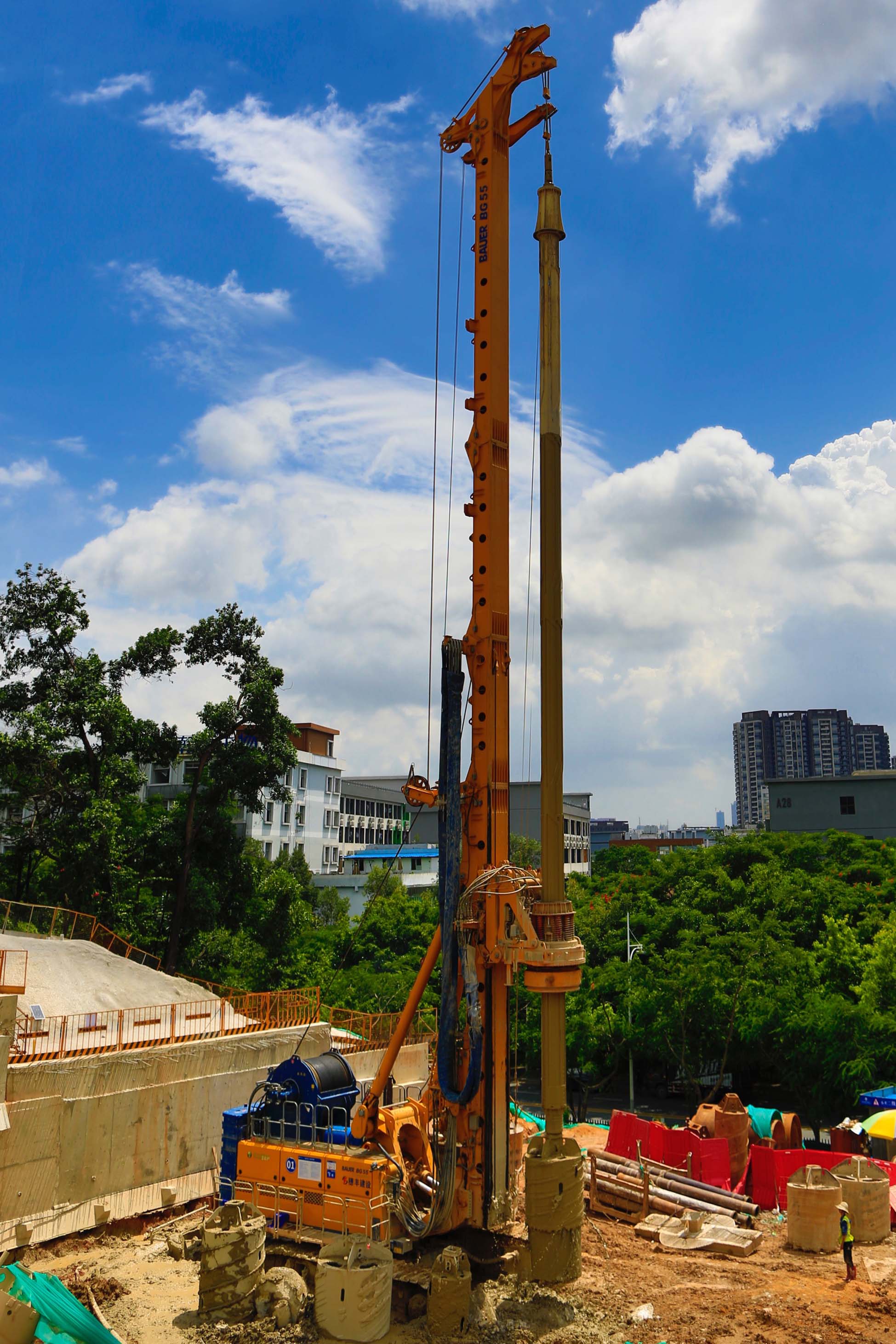 How to Extend the Service Life of Rotary Drilling Rig Cone B