 简体中文
简体中文

Fujian Longyan Bridge is the "artery" of north-south transportation in Longyan's central urban area, and a benchmark railway-crossing bridge in Fujian Province, holding provincial records in swivel structure weight, cantilever length and beam width. As a Class Ⅱ urban main road, it adopts a two-way six-lane design with a main line speed of 60 km/h and a total length of 3.4 km (bridge section: 2,330 m). The main bridge is a 340-m asymmetric single-pylon double-cable-plane steel box girder cable-stayed bridge, with a 121-m "gem"-shaped main pylon blending practicality with aesthetics.
Key construction timelines are clear: official start on June 27, 2012, and full opening to traffic on October 30, 2020, with an actual construction period of 8 years and 4 months. Originally scheduled for 40 months, the extension was mainly due to complex geological conditions and design adjustments.
The project adopted the BT (Build-Transfer) model. The owner is Longyan Urban Construction Investment and Development Co., Ltd. (a subsidiary of Longyan Urban Development Group), and the core contractor is China Construction Sixth Engineering Bureau (CSCEC 6th Bureau), with specific works executed by its subsidiary Longyan Investment and Construction Co., Ltd. Professional team support ensured project quality and progress.
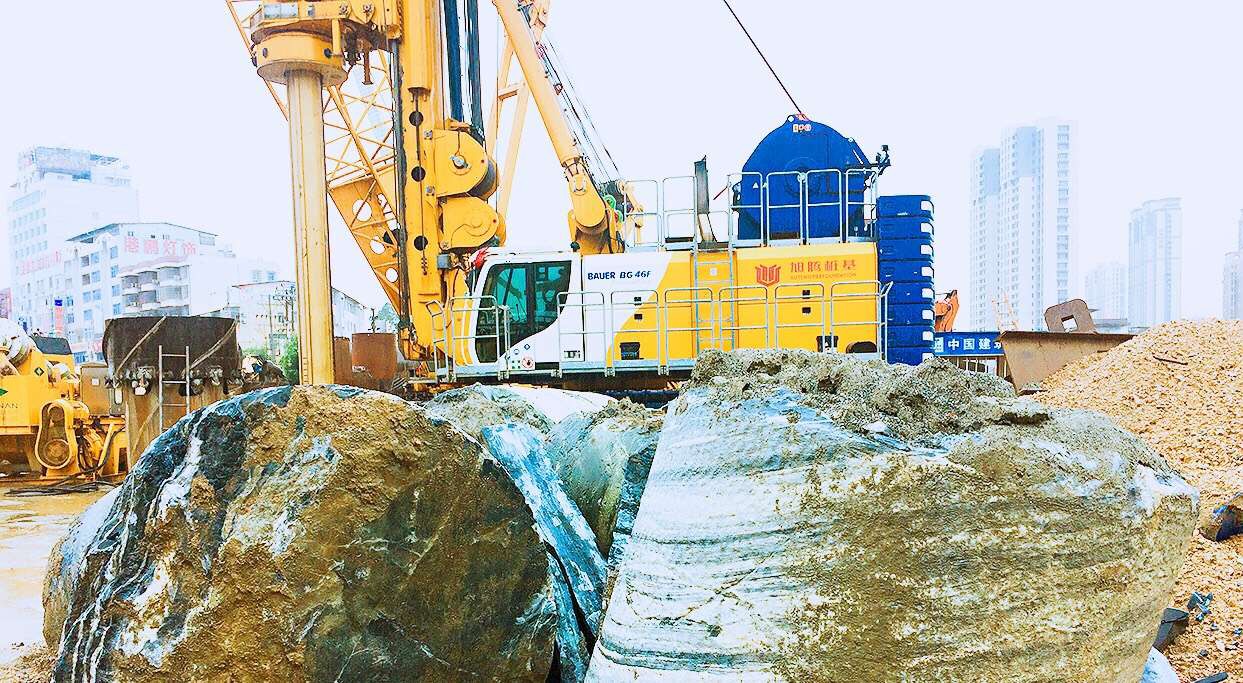
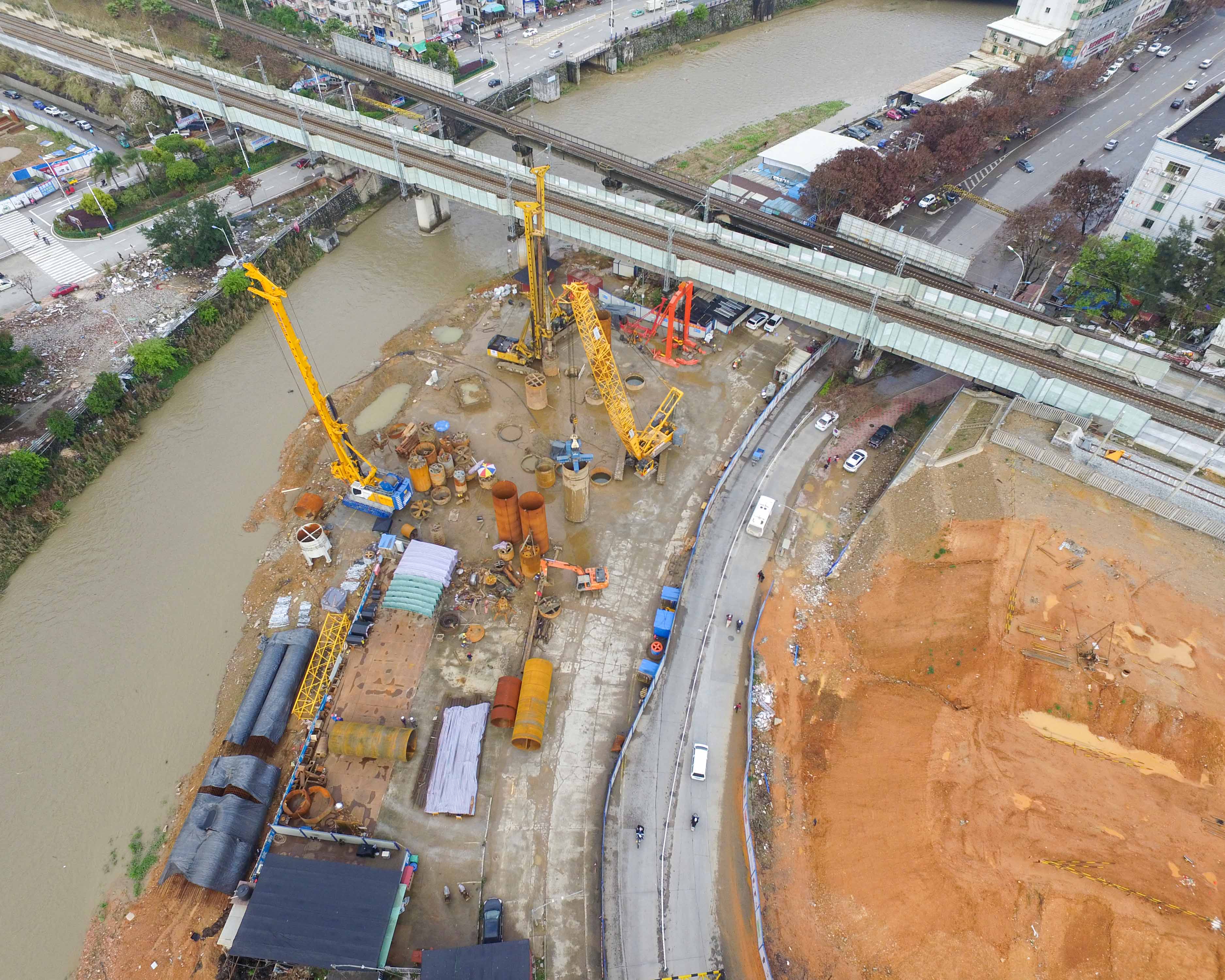
Foundation construction faced rare difficulties, with extremely complex geology as the core challenge. 2013 surveys revealed abnormally developed karst in the underlying limestone, with multi-layered caves (max. height 29.3m, equivalent to 10 stories), mostly unfilled or semi-filled. Some caves were continuous, potentially extending to adjacent railway bridge pile foundations and posing severe safety risks. Additionally, main pylon piles required exceptional rock-socketing depth: the longest pile (84m) had a 79m rock-socketed section, far exceeding the 20-30m standard for ordinary bridges. Moreover, the construction area was narrow (main pylon only 6.5m from existing railway), with nearby roads, railways and rivers restricting operation space and elevating railway-crossing safety risks.
T
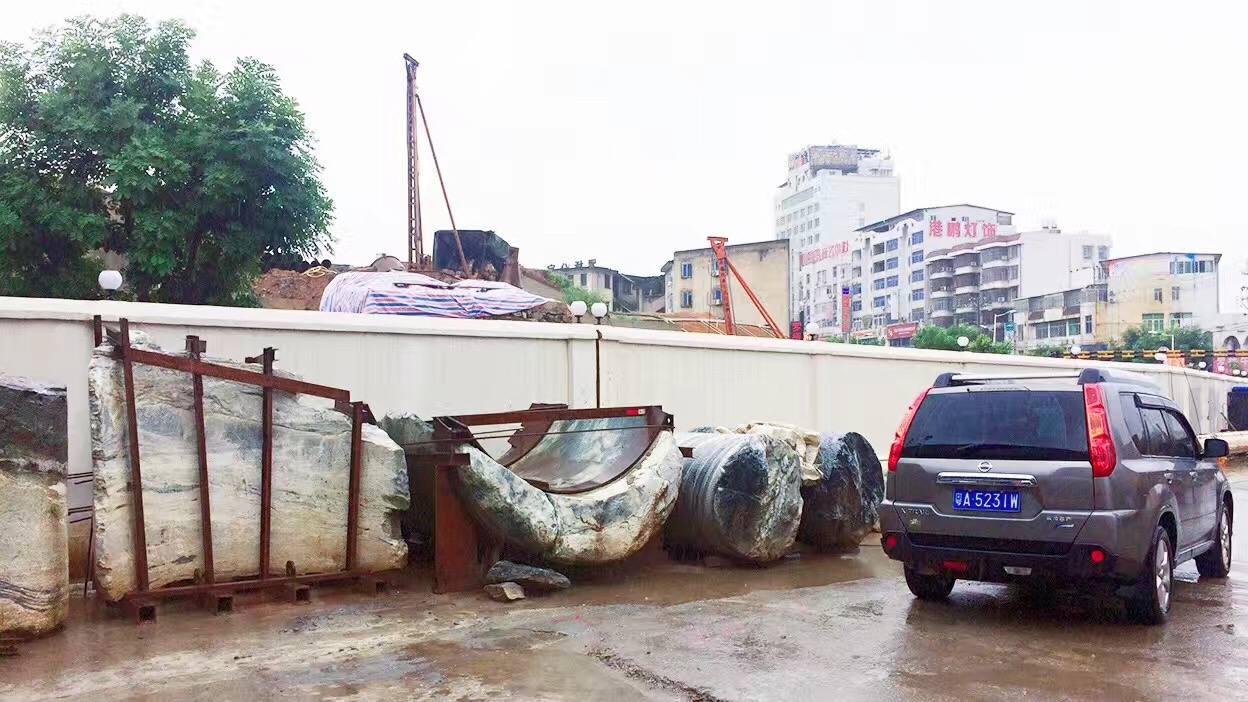
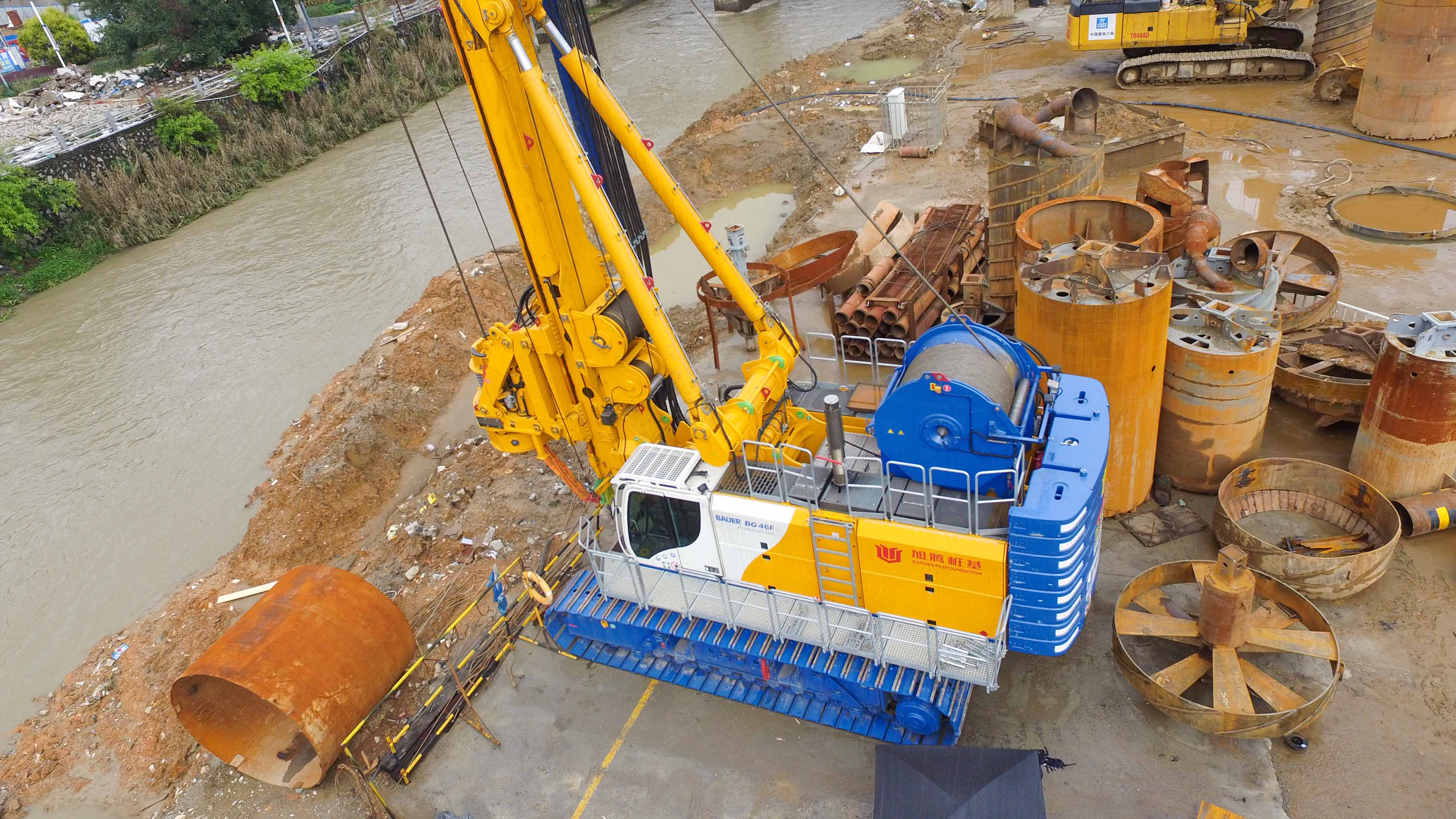
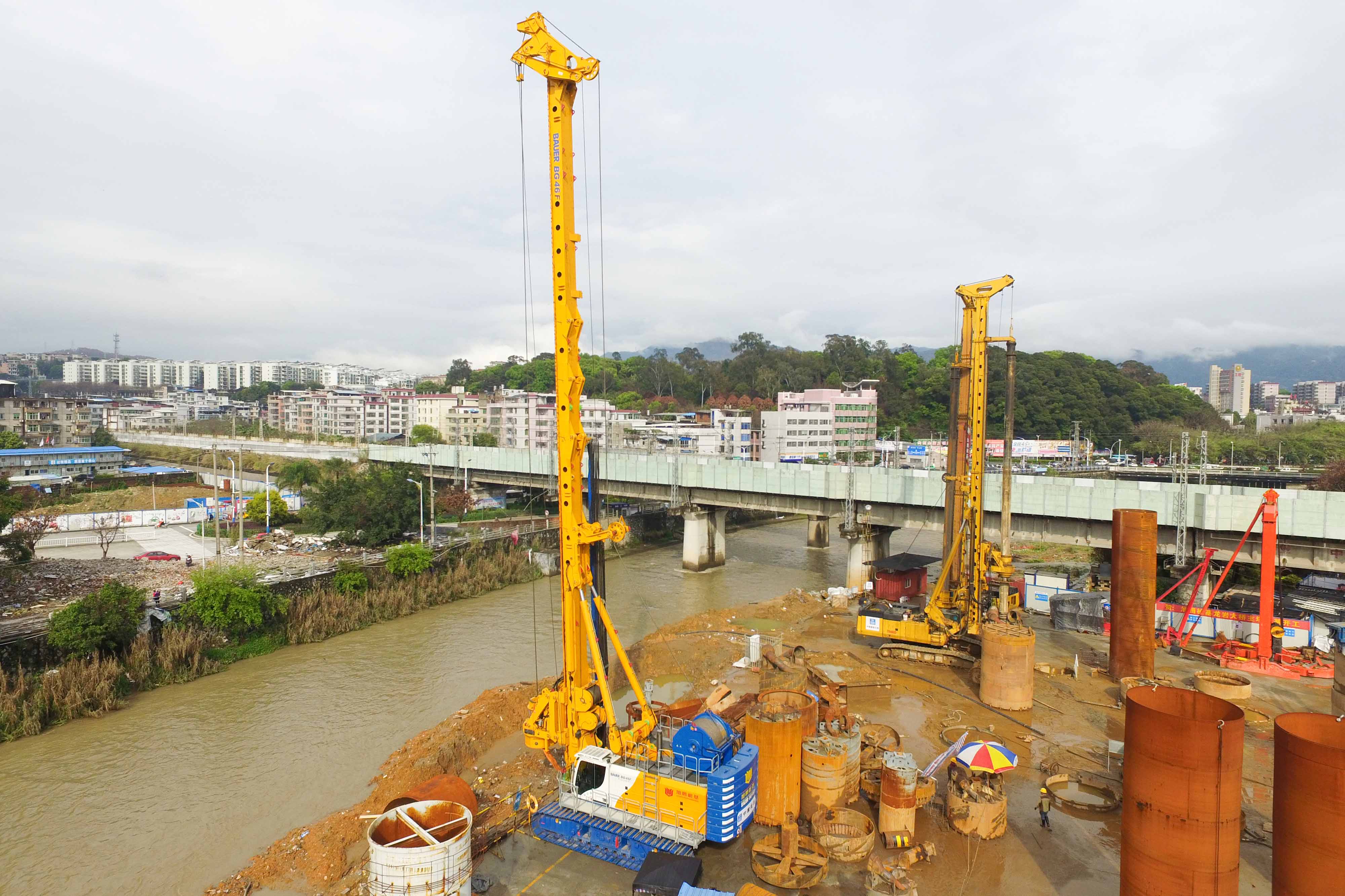
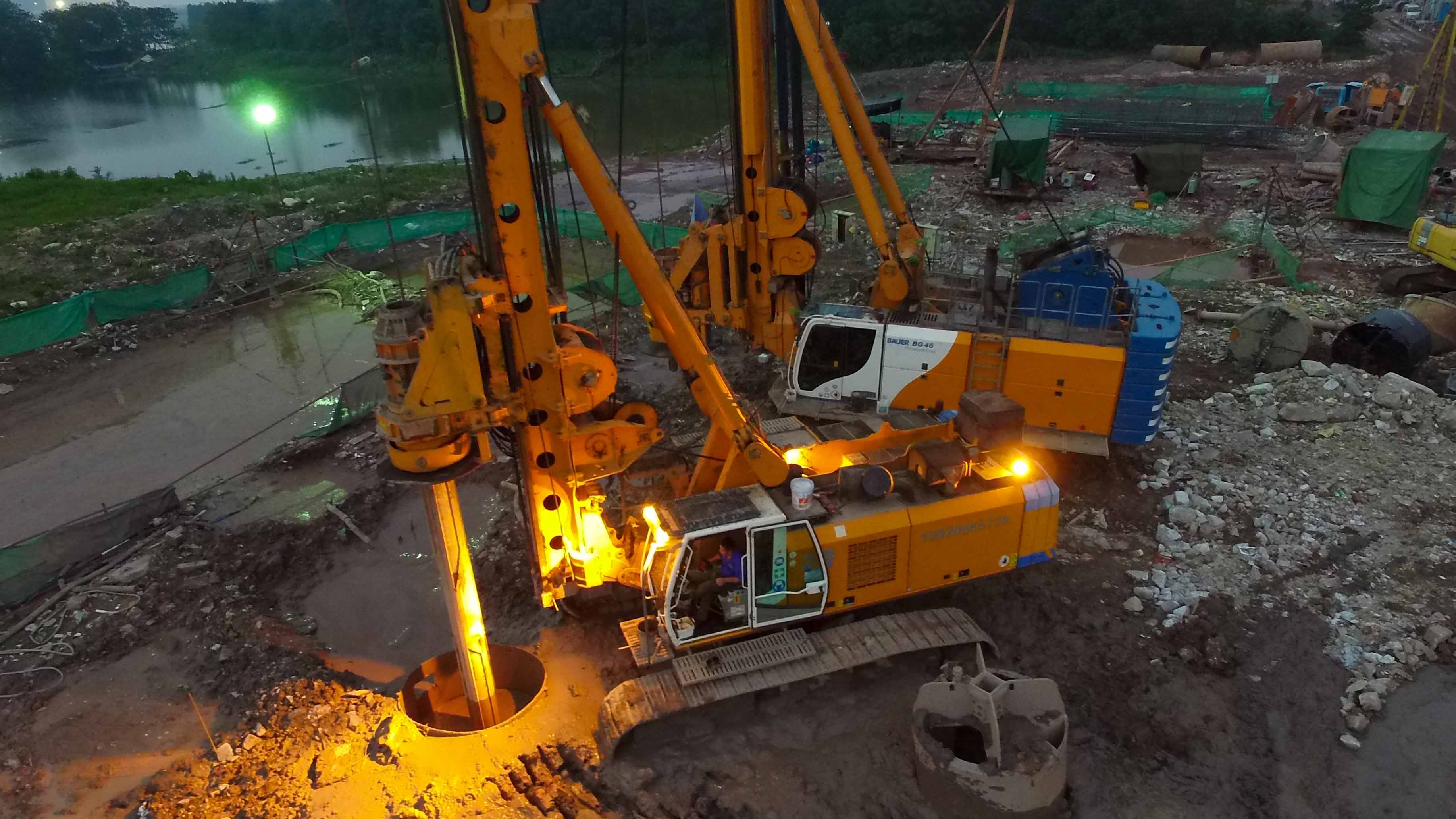
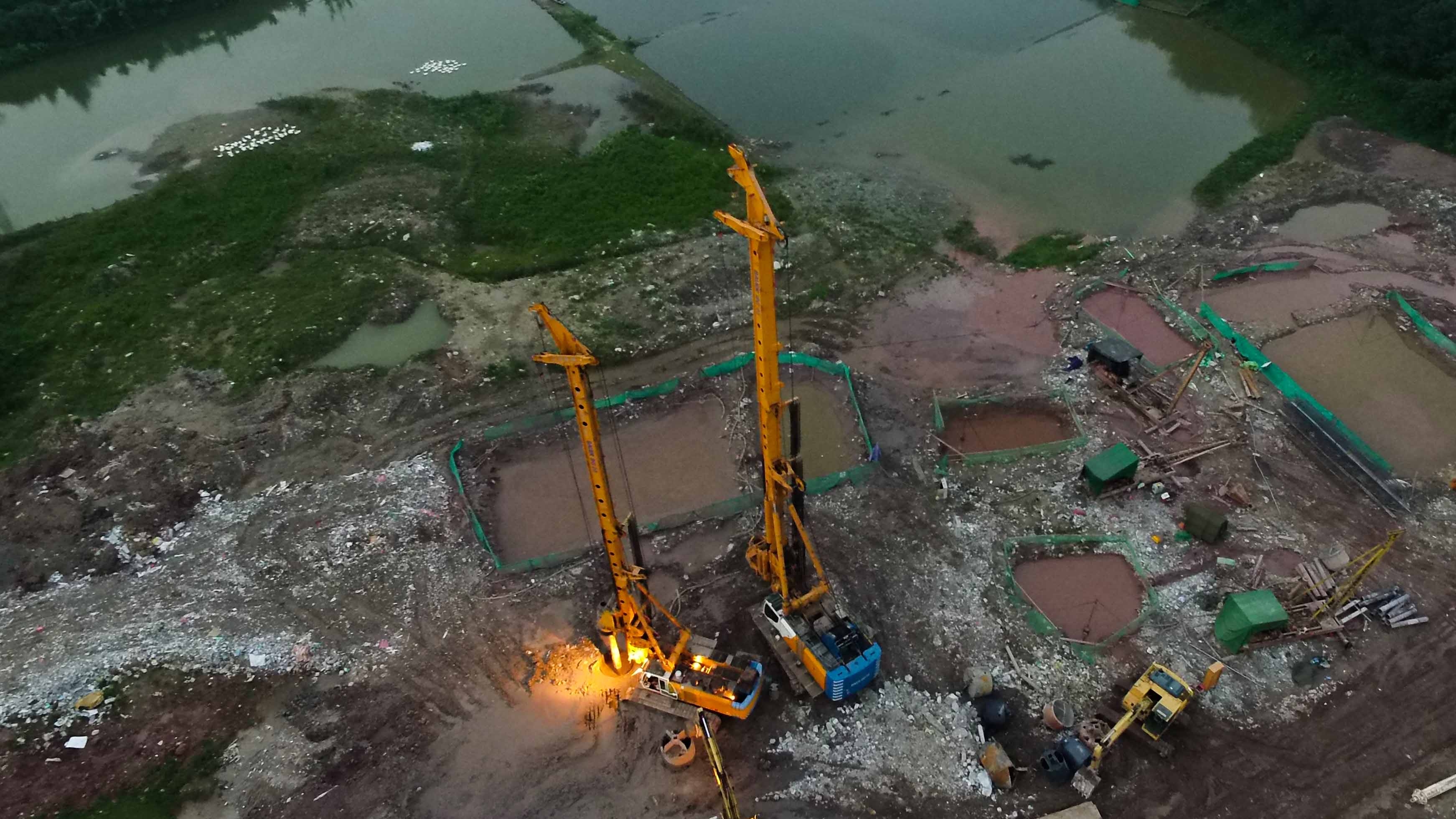
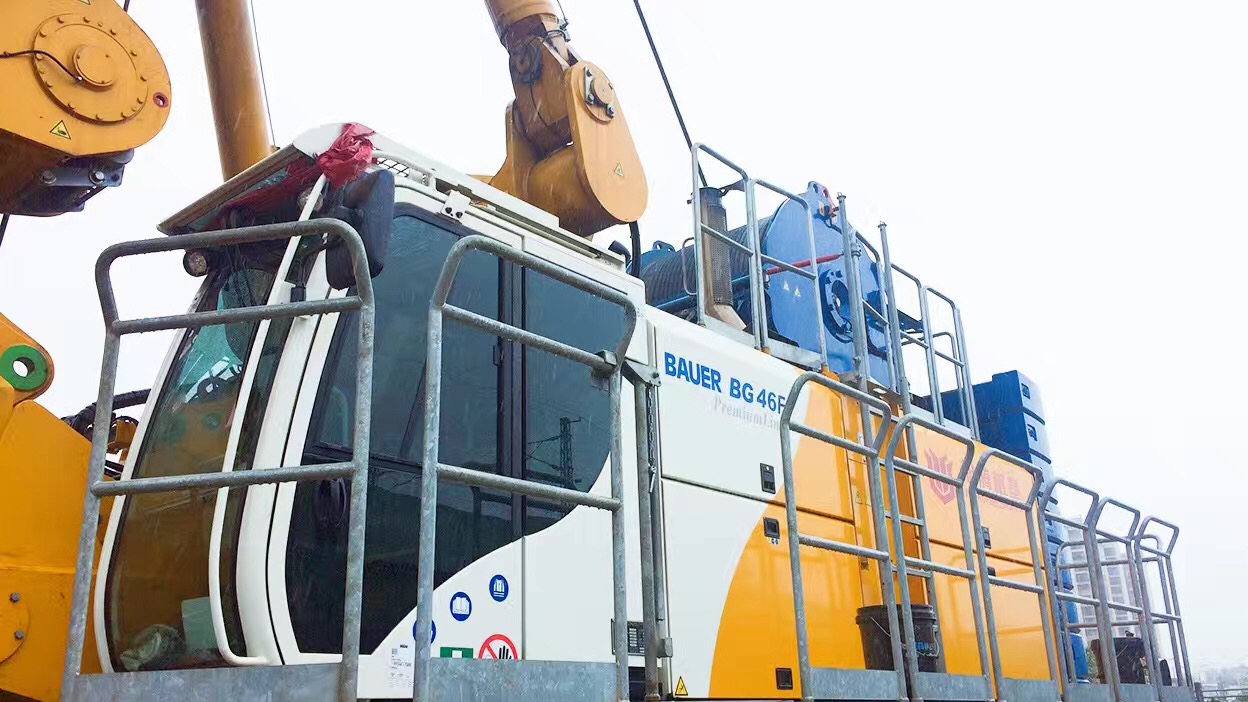
o address these challenges, CSCEC 6th Bureau and the owner organized top domestic geological experts for seminars, finalizing targeted solutions. For karst caves, the team adopted "graded reaming with rotary drills + step-by-step steel casing follow-up", using imported German Bauer rigs, optimized backfill (massive clay, ball clay, bagged cement) and refined slurry management, overcoming large karst cave pile formation in April 2016.
For railway-crossing risks, the team innovated "horizontal secondary swivel" technology: first, building the pylon parallel to the railway (20m minimum distance) for a 69-degree single-pylon swivel; then installing the deck for a 21-degree pylon-beam swivel. With a 5m-diameter, 25,000-ton-capacity spherical hinge and 4 custom 800-ton jacks, precise monitoring and dynamic counterweight adjustment ensured balance, completing the world's first horizontal secondary swivel for a steel box girder cable-stayed bridge and setting a technical benchmark.
Longyan Bridge's opening broke the traffic barrier between Longyan's old and new urban areas, boosting urban integration. Its innovative swivel technology and geological solutions provided valuable experience for global similar projects. Recognized for exceptional quality and innovation, it won the 15th "China Steel Structure Gold Award" in 2022, becoming a landmark in Longyan's urban construction.