 简体中文
简体中文

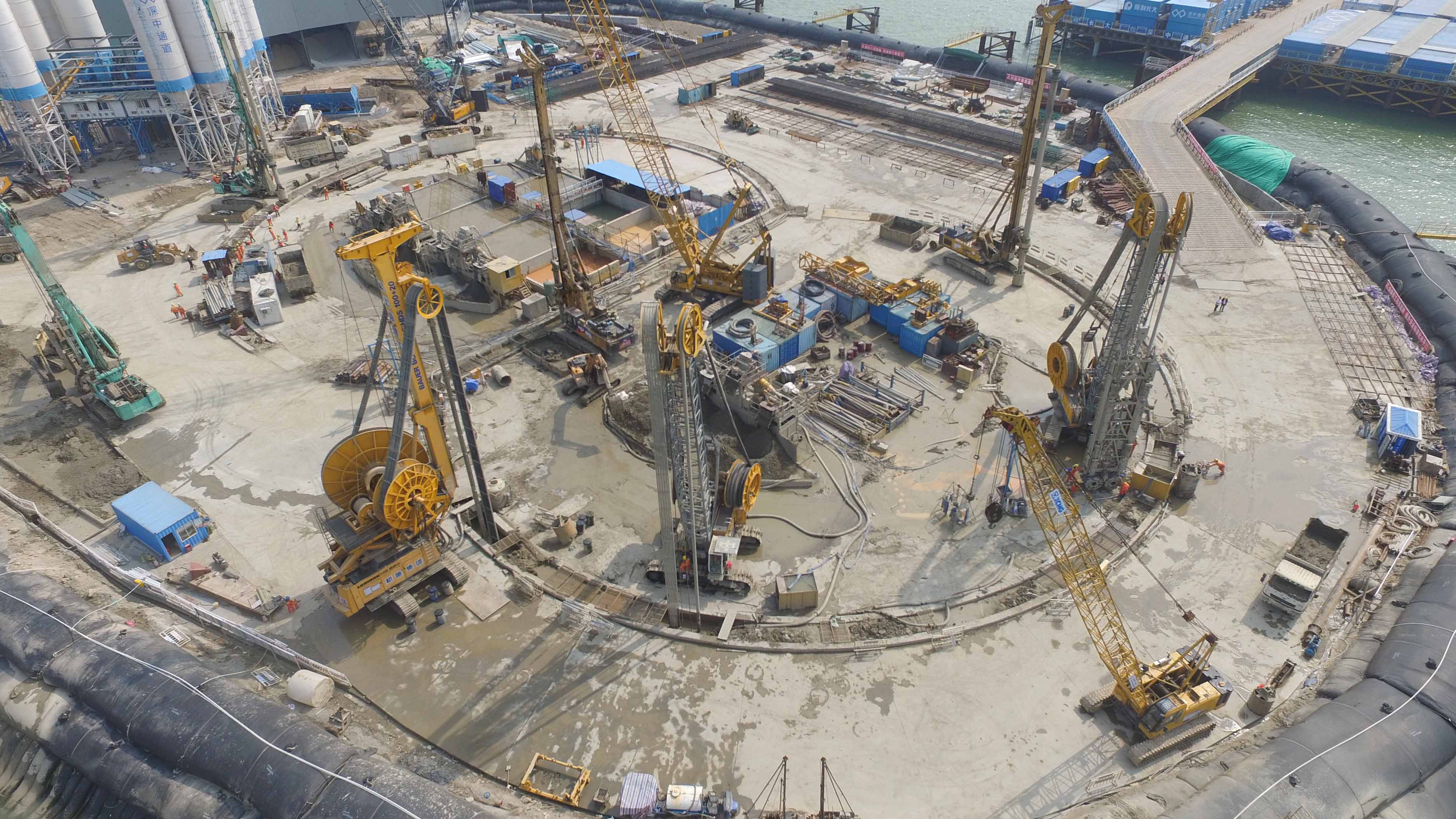
The West Anchorage Project of the Shenzhen-Zhongshan Link is a key control project of the world-class cross-sea cluster project - the Shenzhen-Zhongshan Link. It provides core anchoring support for the Lingdingyang Bridge (the world's largest-span offshore steel box girder suspension bridge with a main span of 1,666 meters), acting like a "super weight" of the bridge. It bears the entire tensile force of the main cables and the steel bridge deck, serving as the "ballast stone" to ensure the stability of the bridge structure. Located in the Lingdingyang waters of the Pearl River Estuary, the single anchorage weighs about 1 million tons, with dimensions of 61.14 meters in length, 83 meters in width and 38.51 meters in height. Its floor area is equivalent to 17 international standard basketball courts, making it one of the largest offshore anchorages in the world.
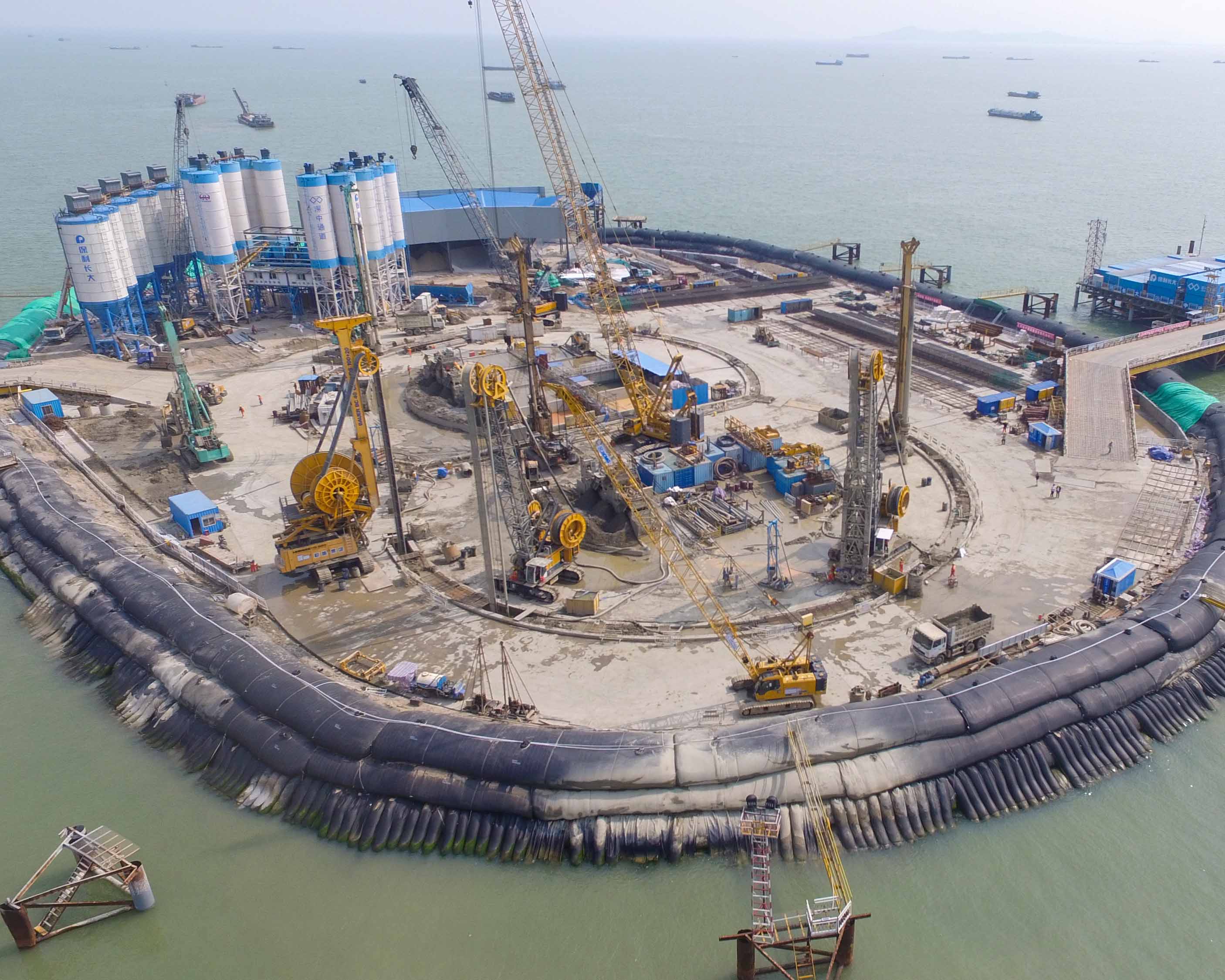
In terms of the configuration of the general contractor and construction parties, the core construction tasks of the project are undertaken by Poly Changda Engineering Co., Ltd. (responsible for Contract Section S05 of the Shenzhen-Zhongshan Link), which mainly carries out key processes such as anchor body pouring and cable saddle hoisting; CCCC Second Harbor Engineering Co., Ltd. participates in core technological research, proposing the "cofferdam island construction + diaphragm wall" construction scheme to create a land environment for offshore construction; China Railway Tunnel Bureau Group Co., Ltd. also participates in the construction of related projects, with multi-party collaboration to ensure the progress of the project.
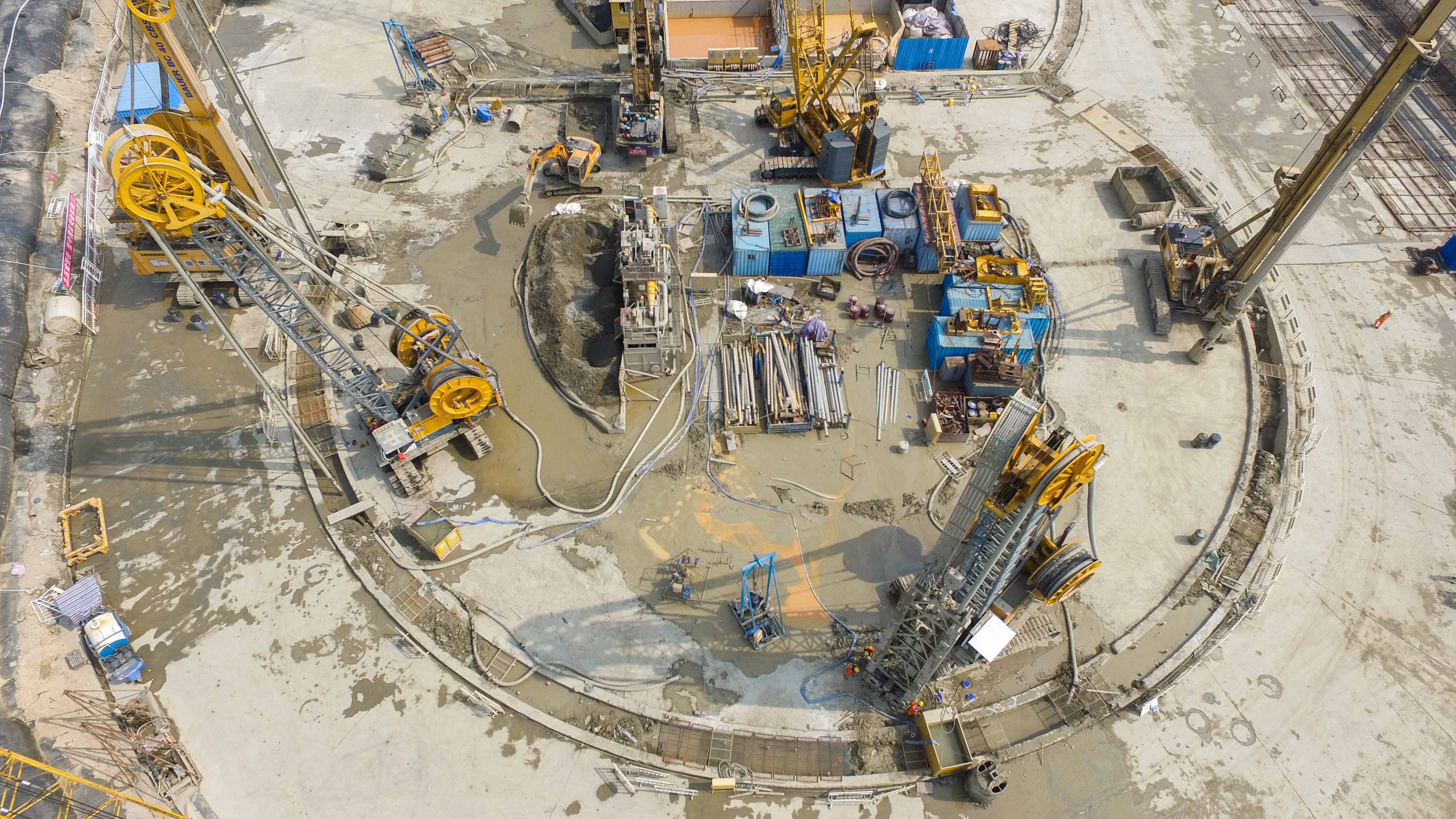
The construction difficulty of the project is world-class, facing multiple rare challenges. Firstly, the geology and environment are extremely complex: there is a 10-meter-thick soft sludge layer under the seabed in the construction area, and a moderately weathered granite layer is distributed below. Direct construction is like "inserting chopsticks into tofu pudding", making it extremely difficult to control precision and stability; at the same time, it is necessary to resist the marine environment of strong winds, rough waves and frequent typhoons in the Pearl River Estuary, and pass through multiple environmentally sensitive points, with strict requirements for environmental protection control.
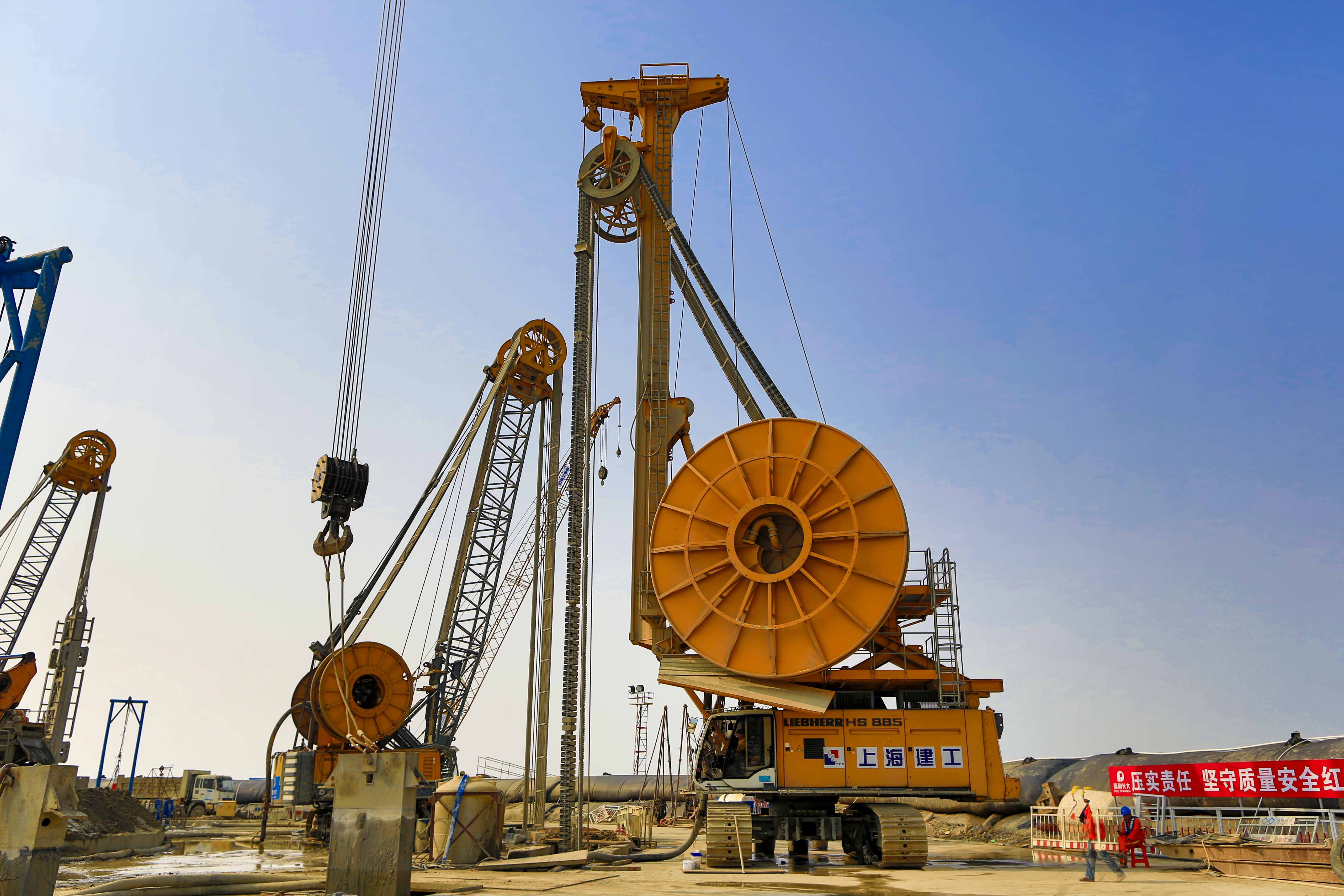
Secondly, the structural and technological difficulties are extremely high: the anchorage adopts the domestically pioneering 8-shaped offshore diaphragm wall foundation design for the first time. The anchor body has many inclined surfaces (both downward and upward), with the maximum backward inclination angle reaching 47.5 degrees, making construction forming difficult; the concrete pouring volume of the anchor body reaches 92,000 cubic meters, and the core filling construction stage needs to complete 130,000 cubic meters of concrete pouring, facing the major problem of controlling cracks in mass concrete under the offshore high-temperature and high-salt environment. Thirdly, the construction organization is complex: the supply of offshore raw materials is difficult, multi-process cross-operation is frequent, and it is necessary to ensure the continuity of construction under severe sea conditions, putting forward extremely high requirements for overall coordination capabilities.
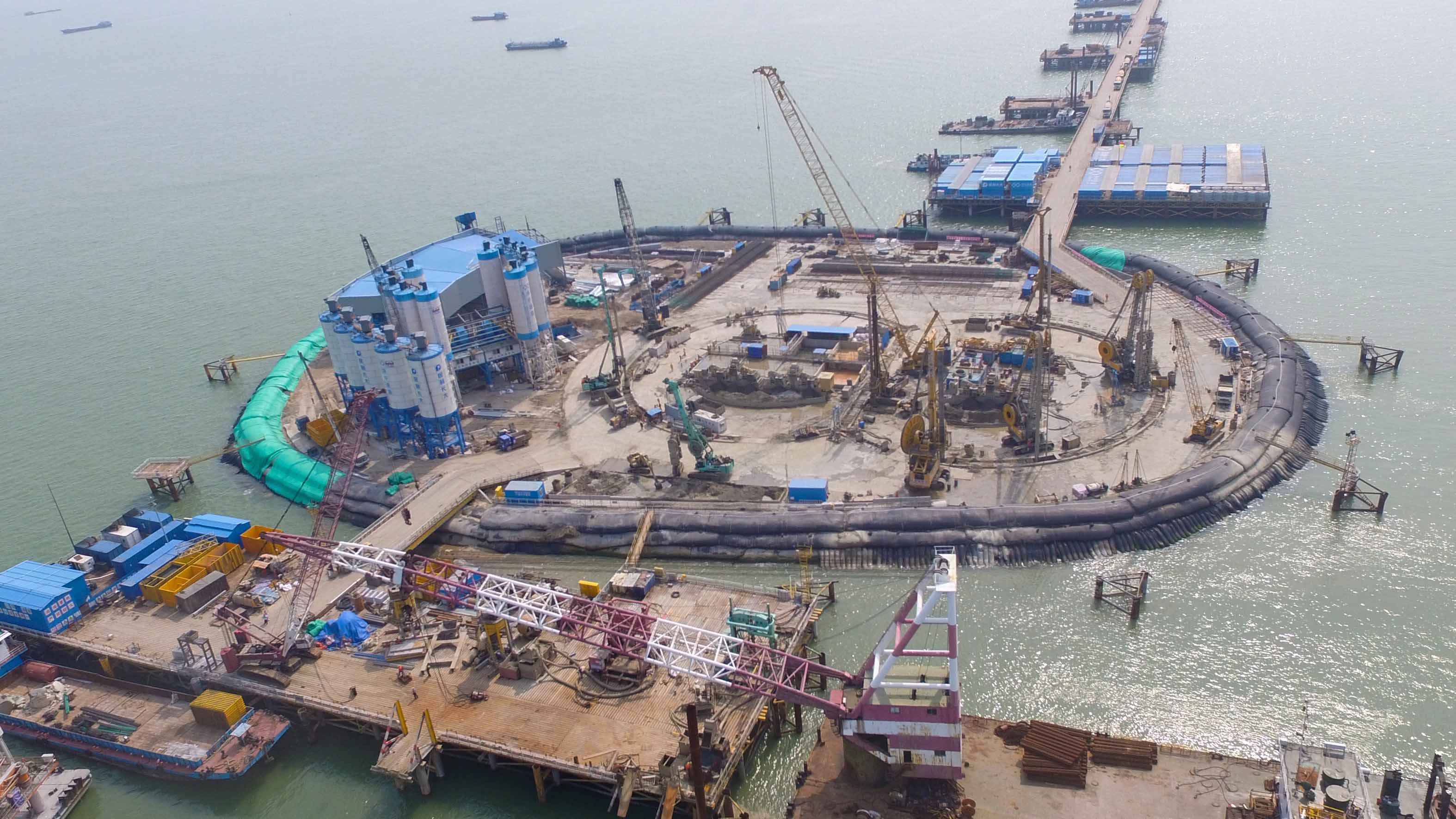
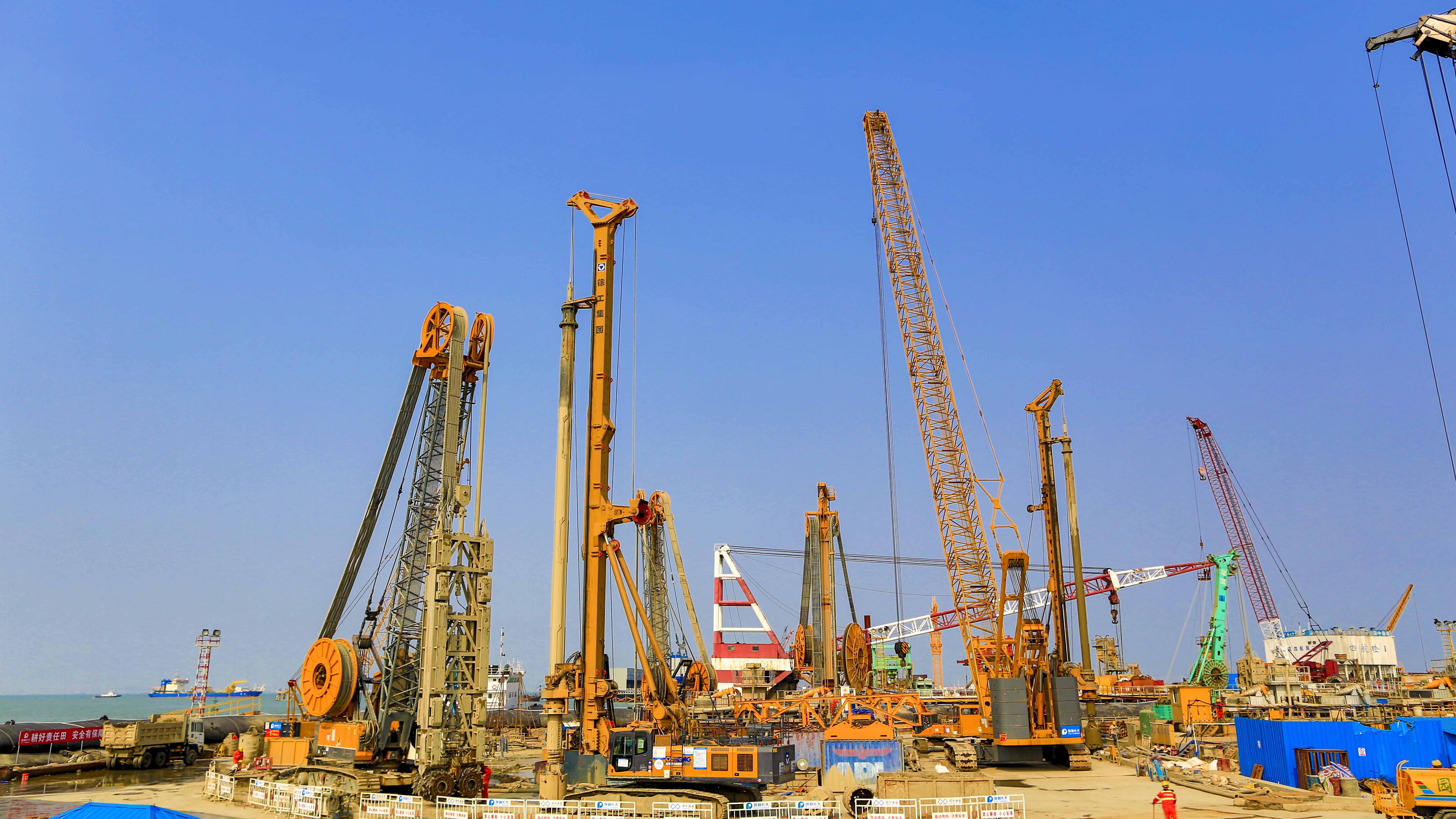
To overcome the construction difficulties, a large number of special equipment have been invested in the project and construction technologies have been innovated. In terms of hoisting equipment, 300-ton crawler cranes, 50-ton truck cranes are used in conjunction with self-designed special gantry hangers and hydraulic hoisting systems to complete the precise hoisting of the 166-ton cable saddle; foundation treatment equipment includes locked steel pipe piles, I-shaped sheet piles, etc., which cooperate with 60,000 25-meter-long plastic drainage boards to realize the consolidation of the sludge layer; in terms of temperature control and maintenance equipment, fog cannons are configured for physical cooling, and hydrogel films are used for covering maintenance to ensure the quality of mass concrete; in addition, high-precision measuring equipment is used to locate the center of gravity of components to improve construction precision.
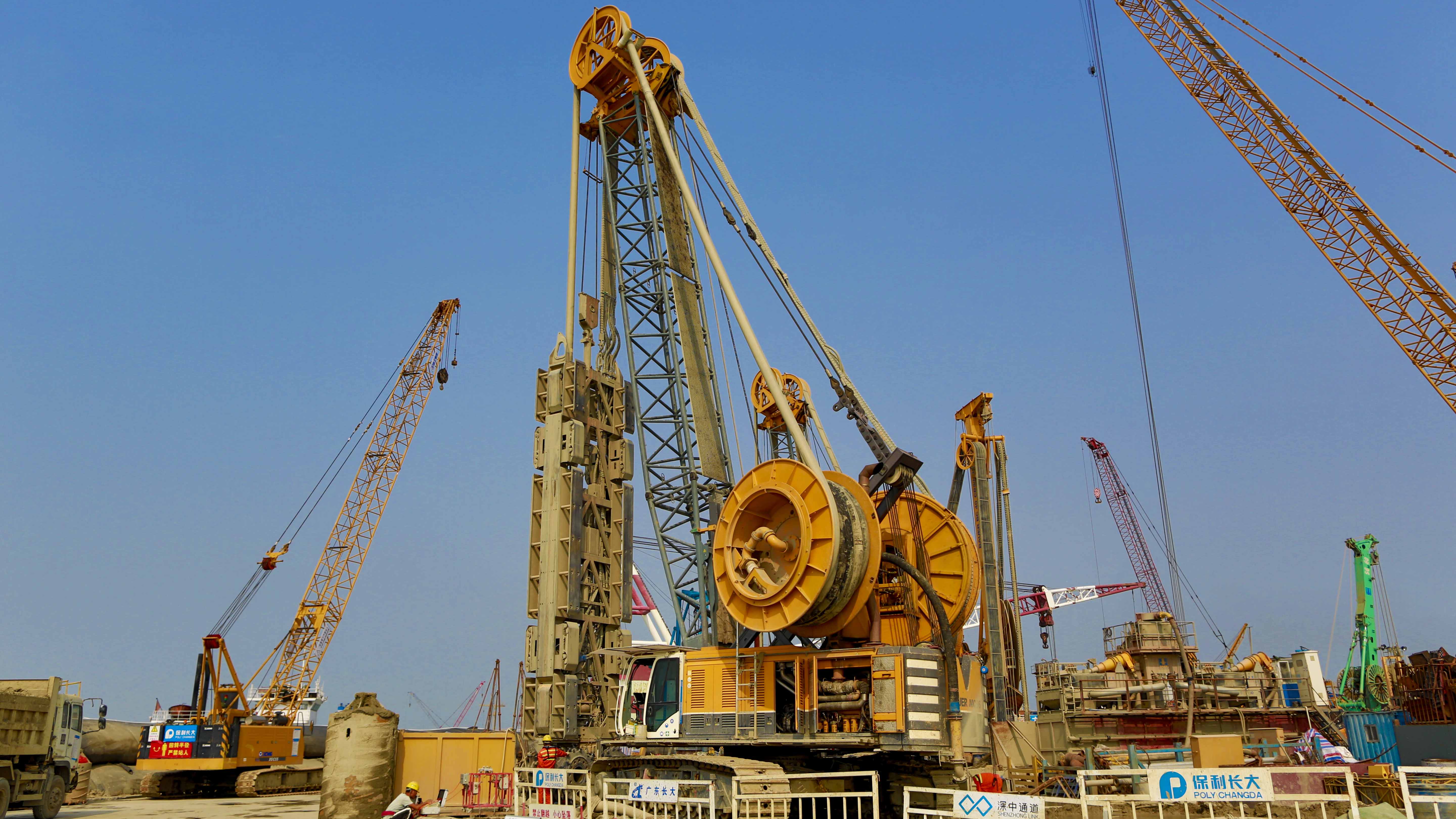
At the same time, the construction team has innovated technologies such as setting up a "cross-shaped" post-cast strip and using locked steel pipe piles to quickly fix the guide frame, shortening the traditional 6-hour welding process to 15 minutes, doubling the efficiency, and setting a record of completing 45,000 cubic meters of concrete pouring in 15 days, finishing the core filling construction 18 days ahead of schedule.
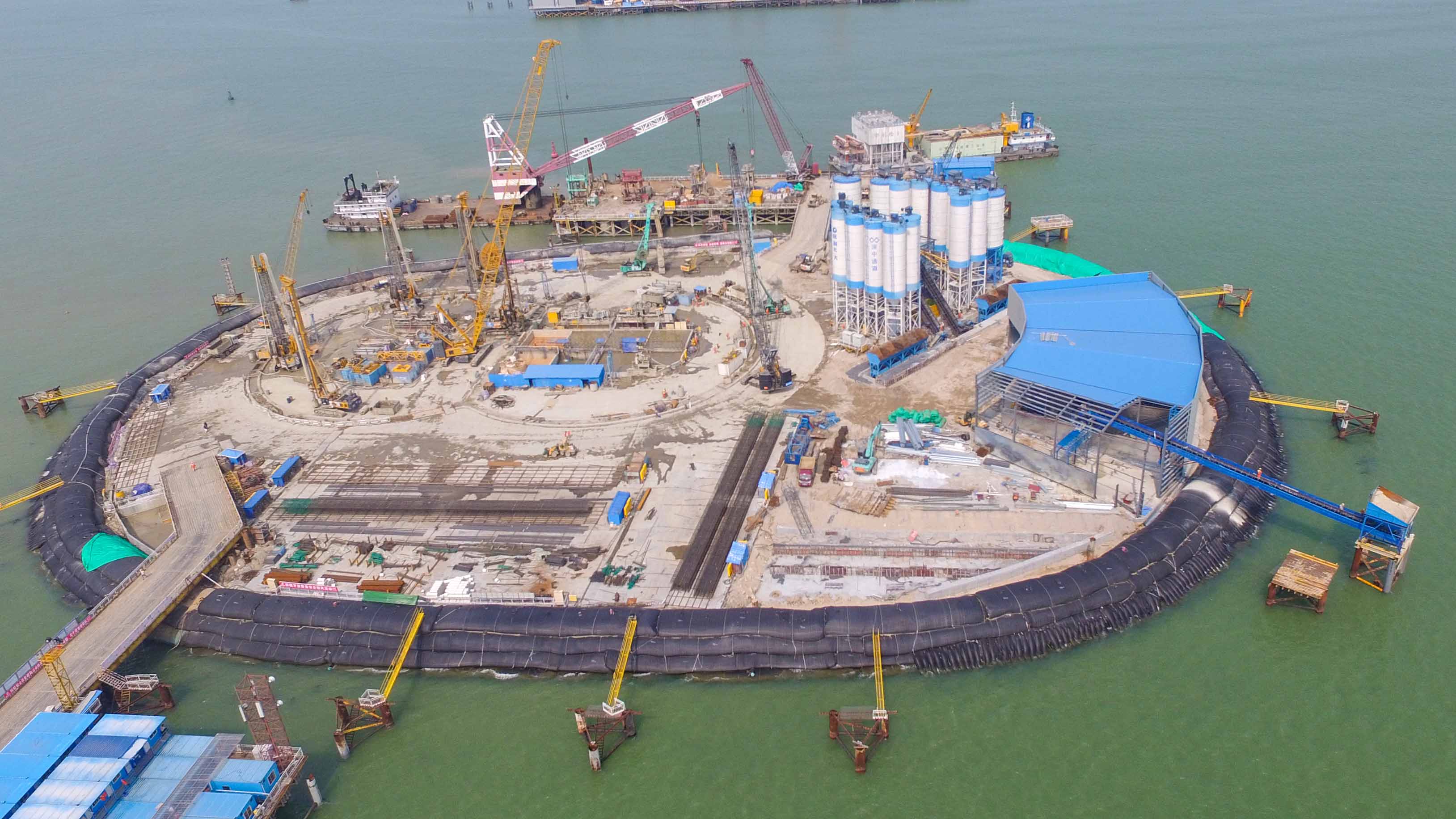
As a core node of the bridge project of the Shenzhen-Zhongshan Link, the successful completion of the West Anchorage Project has laid a solid foundation for the main cable erection and steel box girder hoisting of the Lingdingyang Bridge. Its innovative complete set of "cofferdam island construction + diaphragm wall" technologies has pioneered the construction of anchorages for long-span suspension bridges in wide sea areas, providing valuable experience for similar global projects and helping the Shenzhen-Zhongshan Link achieve a world-class engineering breakthrough of "bridge, island, tunnel and underwater interconnection".