 简体中文
简体中文

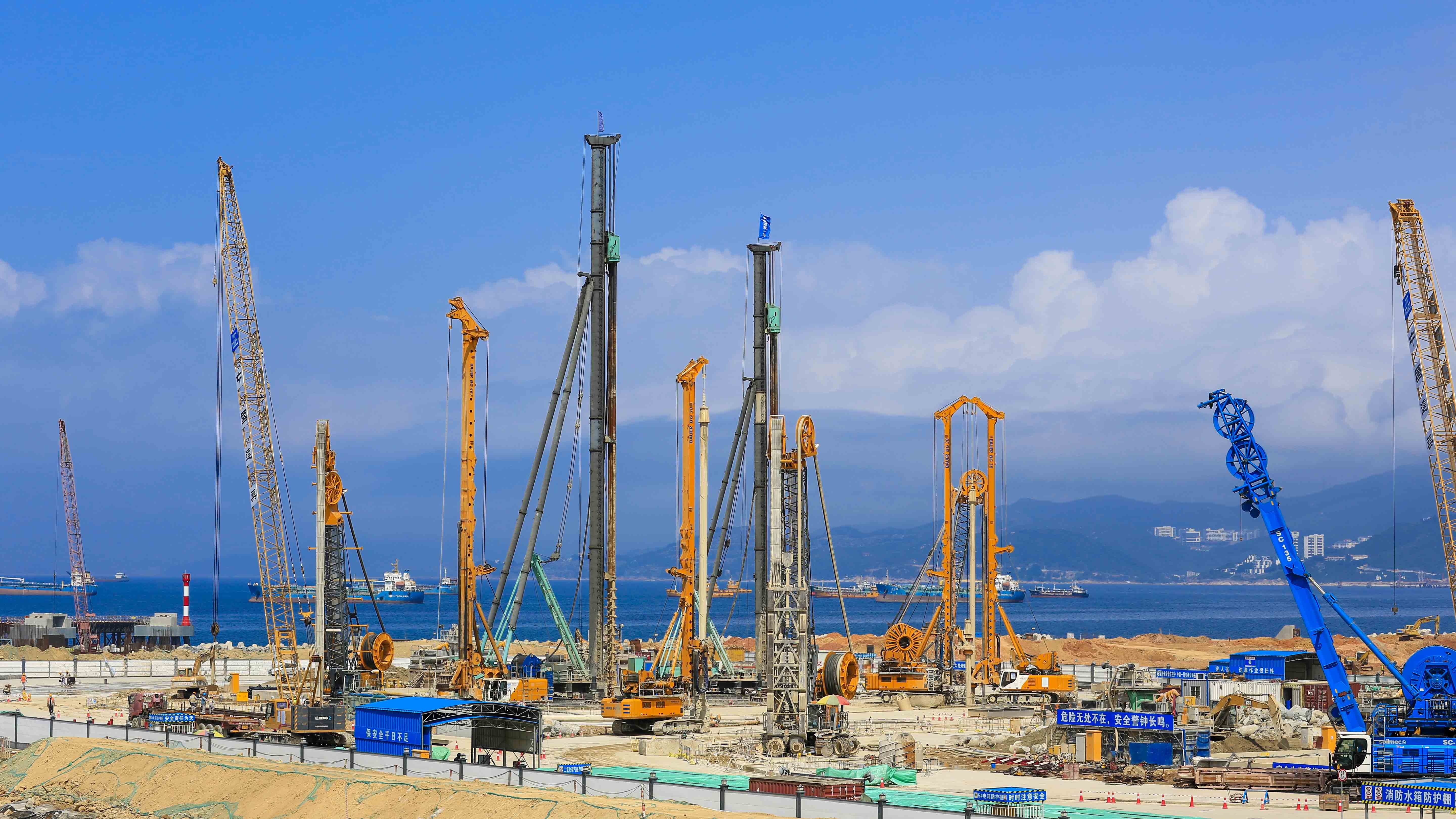
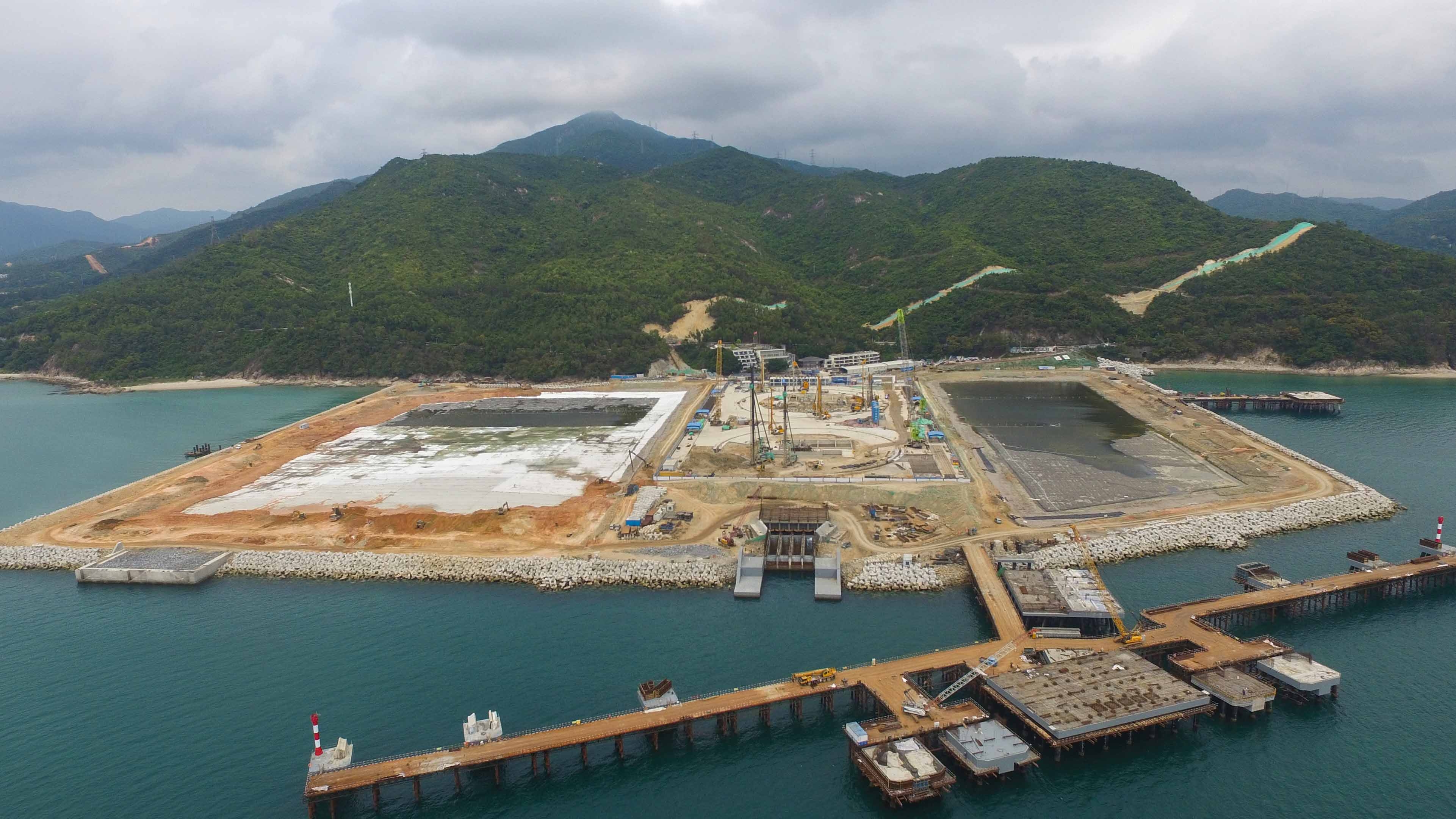
CNPC Shenzhen LNG Project (full name: CNPC Shenzhen Liquefied Natural Gas Emergency Peak-Shaving Station Project) is located in Diefu Area on the northeastern coast of Dapeng Bay, Shenzhen. As a key energy infrastructure project promoted by the National Energy Administration, it also serves as a crucial pivot of China's national natural gas "unified network" and the "South-to-North Gas Transmission" interconnection project, undertaking the core mission of ensuring natural gas supply and emergency peak shaving in the Guangdong-Hong Kong-Macao Greater Bay Area.
The core projects include wharf engineering, receiving station engineering and supporting auxiliary facilities. The construction process faced multiple rare challenges, making it a model of tackling difficulties in China's LNG construction field. Among them, the wharf can berth LNG carriers of 80,000 to 267,000 cubic meters and is equipped with a 3,000-ton workboat berth. After adding LNG bunkering vessel berthing and loading business in 2025, on the basis of the original annual unloading capacity of 6.8 million tons, the loading capacity will be additionally increased by 300,000 tons per year, making it the first receiving station in South China that can provide bonded LNG re-export loading services.
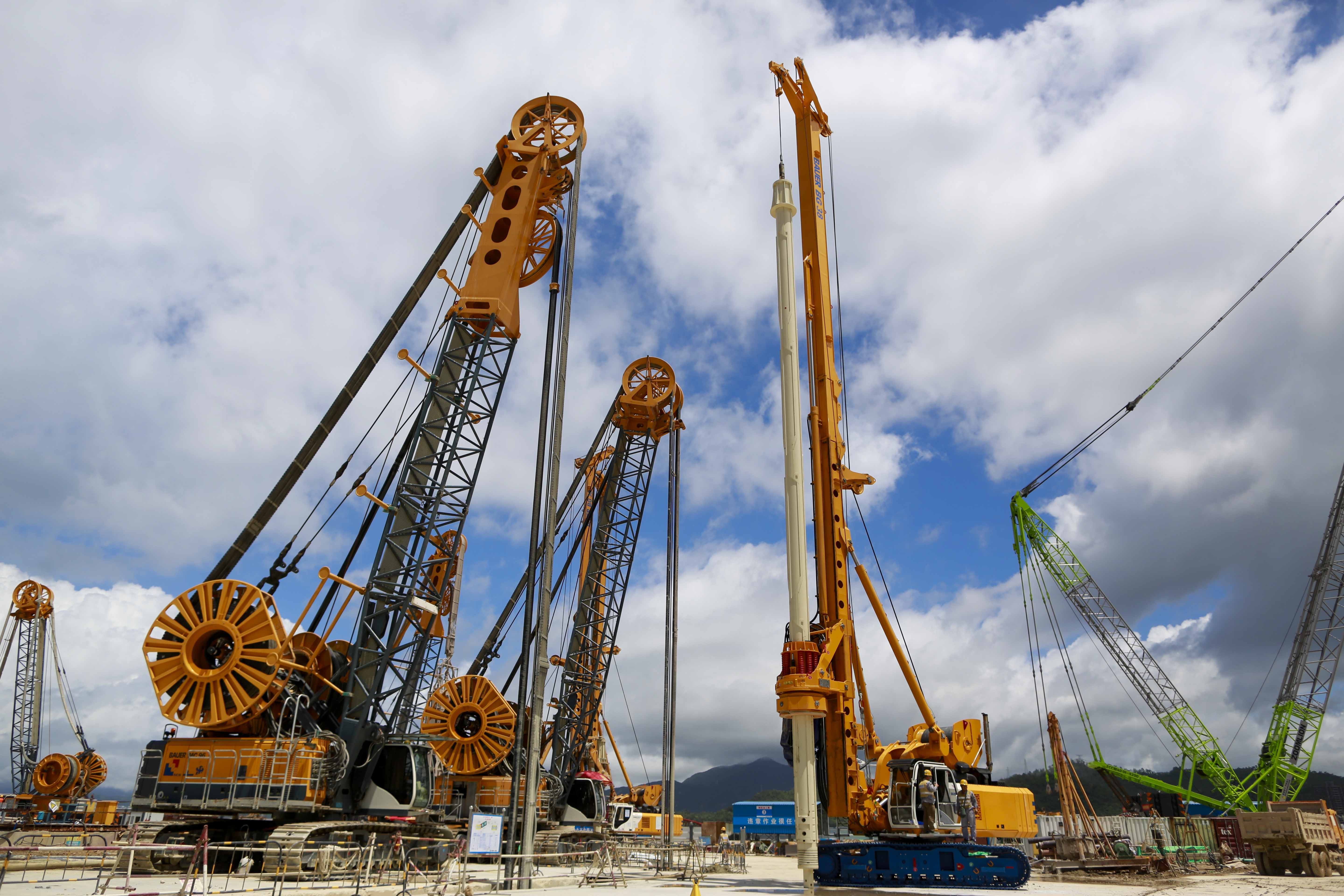
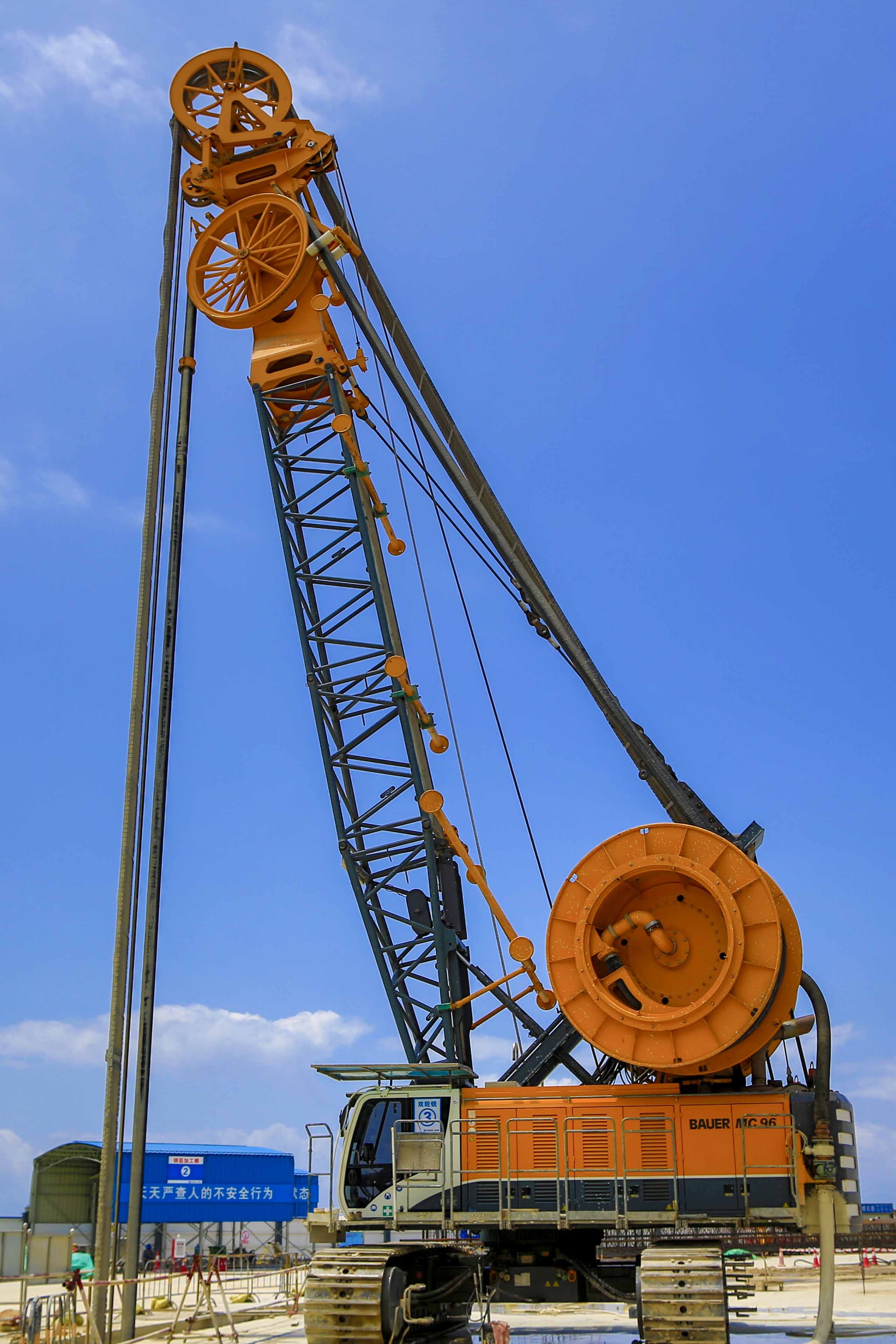
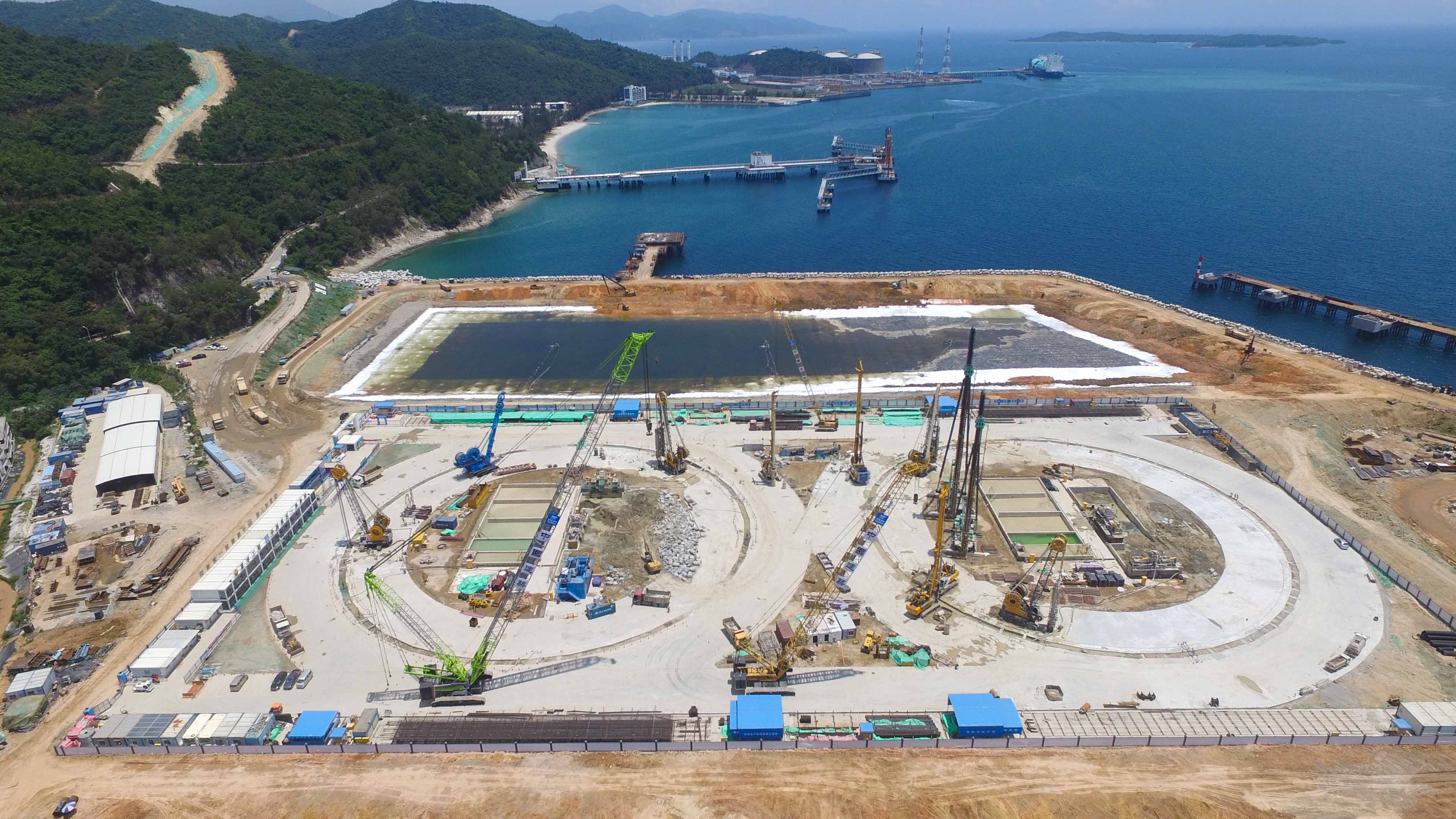
The construction difficulty of the receiving station is particularly prominent: Phase I covers an area of about 26 hectares and adopts a domestically pioneering sunken LNG storage tank construction plan, requiring the construction of 2 200,000-cubic-meter storage tanks. Each storage tank foundation pit has a diameter of 100 meters and an excavation depth of 25.6 meters, which was the largest circular deep foundation pit project of the same type in China at that time. More severely, the project site is formed by reclamation, with extremely complex geological conditions. Under the filled soil lies an ultra-hard granite layer with a strength of 117MPa, which brings great resistance to foundation pit excavation and diaphragm wall construction.
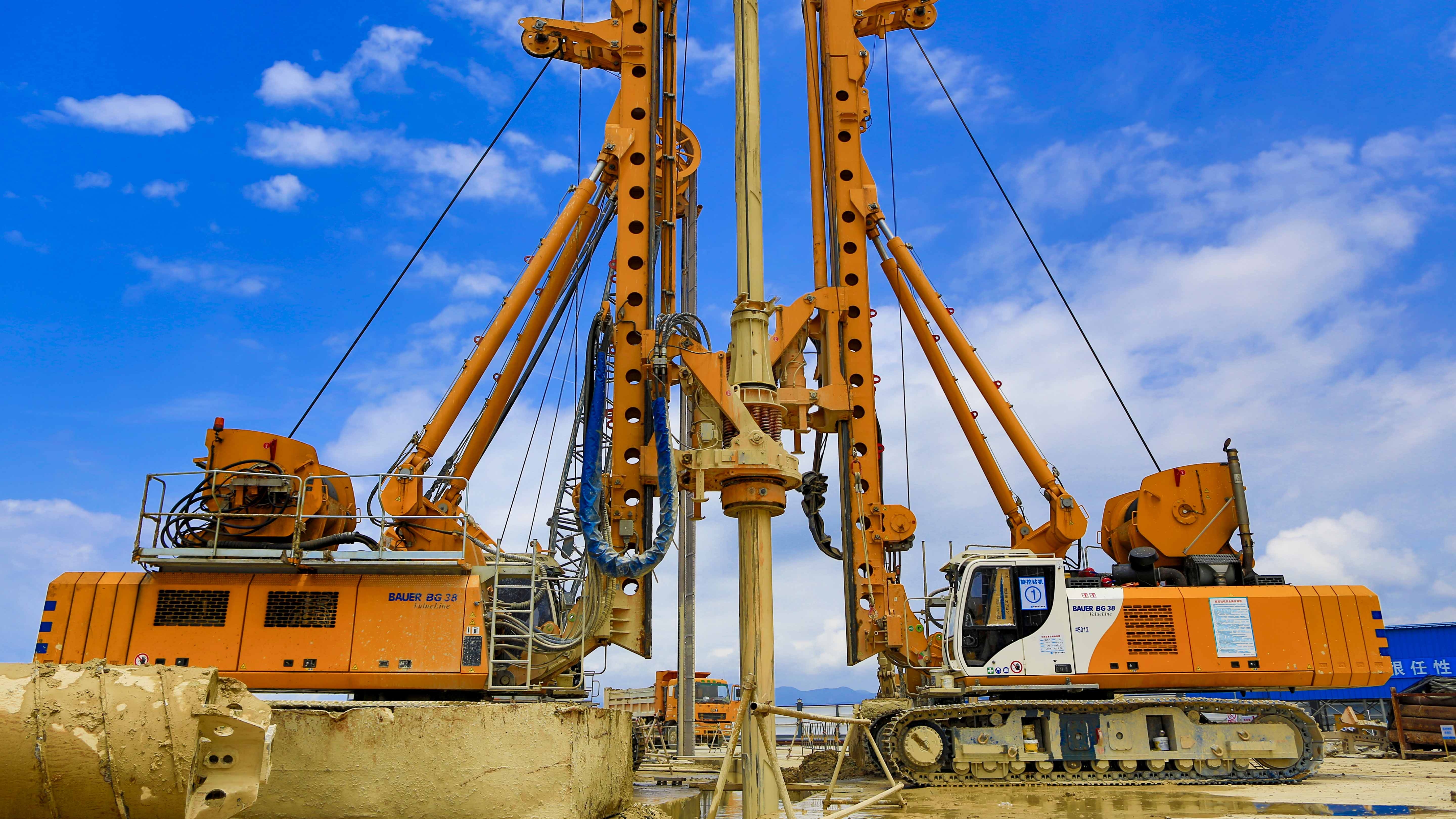
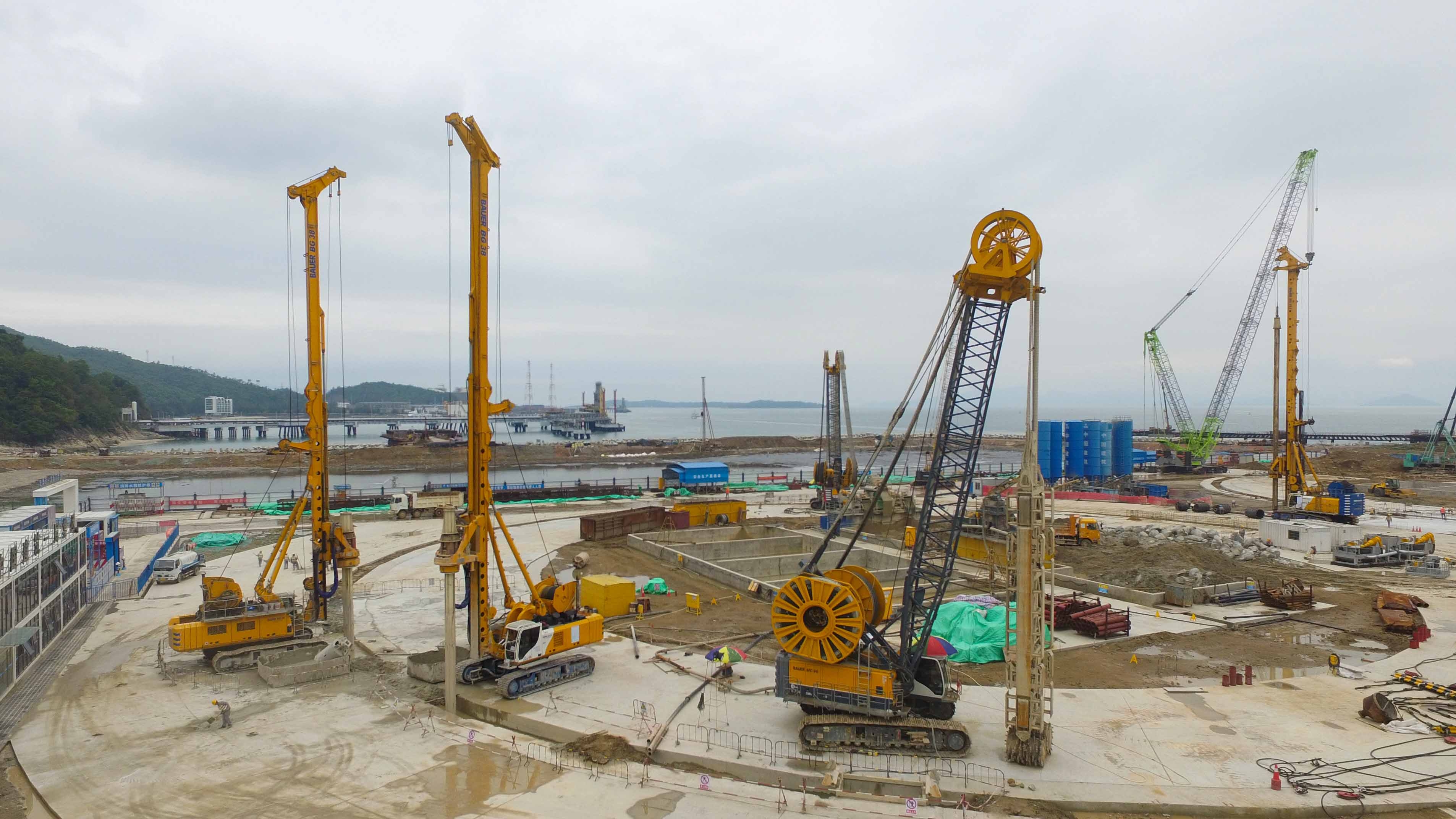
To ensure the safety of the storage tanks, the project adopts a 1.5-meter-thick diaphragm wall enclosure structure. Each tank requires the construction of 72 diaphragm wall panels, all using the milling joint process. The concrete strength and impermeability grade are close to the highest industry standards. The two storage tank foundation pits alone consumed more than 27,800 tons of steel and 100,000 cubic meters of concrete, with a total construction period of 43 months, far exceeding the 3-4 year construction period of conventional LNG projects.
The designed turnover capacity of the receiving station is 3 million tons per year, equivalent to the civil natural gas consumption of Shenzhen's more than 17 million population for over 4 years; the long-term plan is to expand to 6 million tons per year, making it a high-efficiency receiving station with the smallest land area among domestic LNG projects of the same scale. The compact layout further increases the complexity of construction organization.
As an important part of the energy security system in the Guangdong-Hong Kong-Macao Greater Bay Area, the project has significant strategic value. Relying on the 64.3-kilometer-long West-East Gas Pipeline Shenzhen LNG Export Pipeline, the project has realized interconnection with the West-East Gas Pipeline Phase II network and the Southwest Pipeline Network system. It not only opens up the "South-to-North Gas Transmission" energy channel, but also builds an interconnection network for multi-channel overseas imported LNG sources. Since its commissioning in 2018, the cumulative unloading and processing volume of the project has exceeded 25 million tons. In 2024, the unloading volume reached 5.35 million tons, ranking fourth in China. Berthing 18 ships in a single month set a "China Industrial New Record", continuously supplying clean energy to cities on the east coast of the Pearl River Delta such as Shenzhen, Huizhou and Dongguan, as well as northern regions.
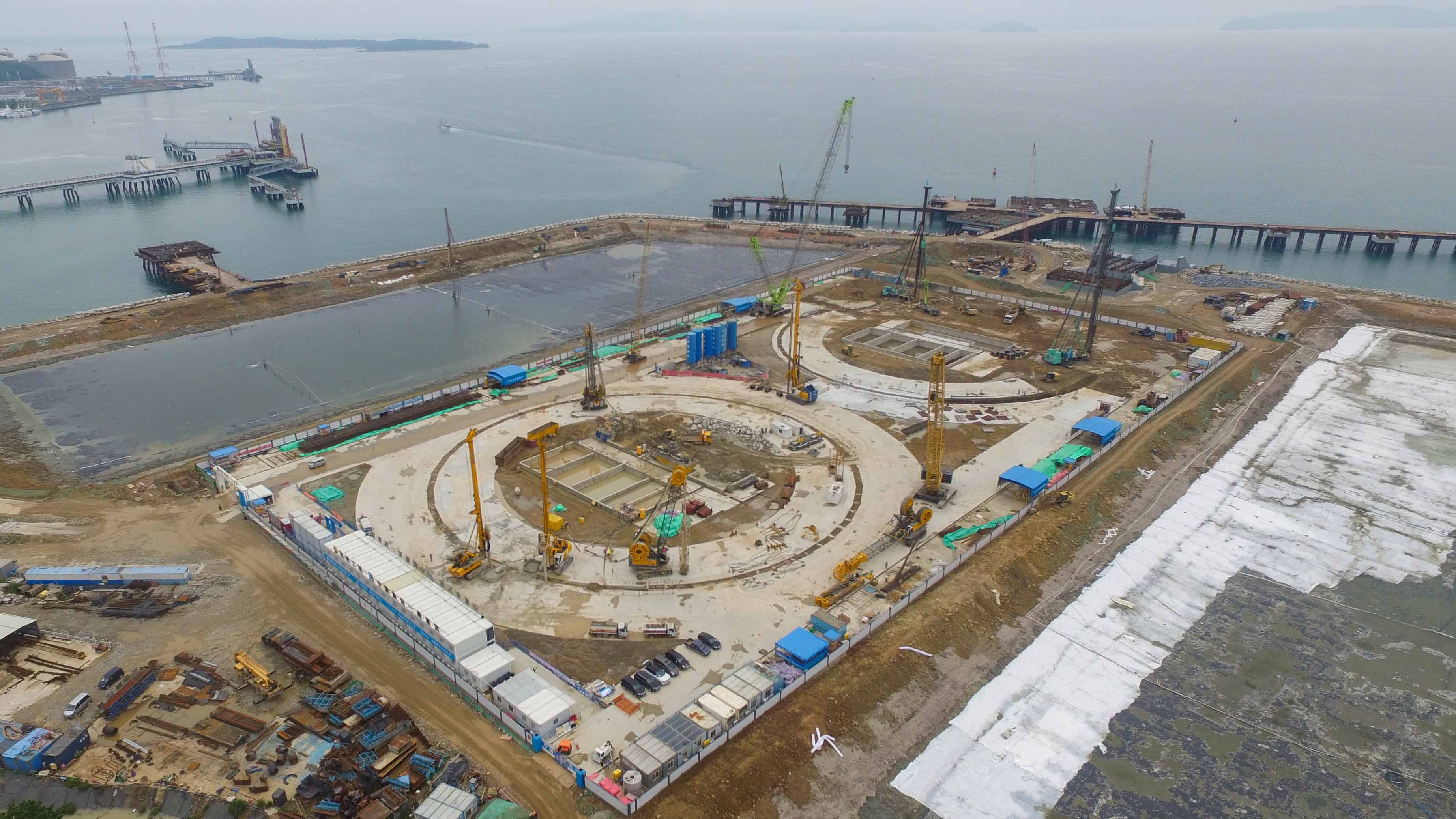
Today, CNPC Shenzhen LNG Project has become a "stabilizer" for energy supply and a "booster" for green development in South China. By overcoming multiple construction difficulties such as complex geology, harsh climate and strict environmental protection, the project construction team has not only improved the clean and low-carbon energy supply system in the Guangdong-Hong Kong-Macao Greater Bay Area, but also accumulated construction experience in key projects such as domestically pioneering sunken LNG storage tanks, providing valuable reference for subsequent similar projects. With efficient resource allocation capacity and cutting-edge intelligent technology applications, it provides a solid guarantee for the high-quality development of regional economy and national energy security.